The Life Behind The Paint
Elliot Denburg came of age in the early 1970s between Cambridge and Boston, in an atmosphere alive with late-night conversations, shared studios, and restless experimentation. Surrounded by painters, thinkers, and people constantly questioning what art could be, he absorbed the era’s belief that art was not simply a profession, but a way of seeing and engaging with the world.
Those formative years brought him into contact with some of the defining figures of American art. He spent time around Willem de Kooning, Helen Frankenthaler, and sculptor Tony Smith, witnessing firsthand the different ways they approached paint, form, and creative risk. What stayed with him most was not a particular style, but an attitude: the belief that an artist must keep looking, keep questioning, and remain open to new ideas, materials, and ways of seeing.
In the late 1970s and early 1980s, Elliot’s path took him to Guatemala. The country’s volcanic landscapes, vivid colors, deep traditions, and unhurried rhythms of daily life shifted something fundamental in him. The experience sharpened his awareness of texture, light, and place, qualities that have quietly found their way into his work ever since.
For nearly four decades, he balanced two parallel lives. By day, he worked as a colorist and textile designer at Mitchell Denburg Mills, developing an intimate understanding of dyes, fabrics, layering, and the behavior of materials. By night, he painted. The knowledge gained in the mill became inseparable from his painting practice, influencing his approach to surface, transparency, and the physical nature of paint itself.
Today, Elliot lives and works in Antigua Guatemala, painting outdoors at his home surrounded by the landscape, sounds, and daily rhythms that have become part of his life.
Even while working, Elliot remains connected to the world around him. One of his dogs may bring over a ball and interrupt the process for a few minutes, or his wife or children may stop by and he will pause to ask about their day before returning to the painting. These moments are not separate from his work. They are simply part of the life happening around it.
That same awareness of the world around him finds its way into his paintings. The attention he gives to small moments, changing light, and the materials around him becomes part of the way he approaches the canvas. For Elliot, painting is not separate from life. It grows out of paying attention to it, remaining curious, continuing to explore, and discovering what comes next.
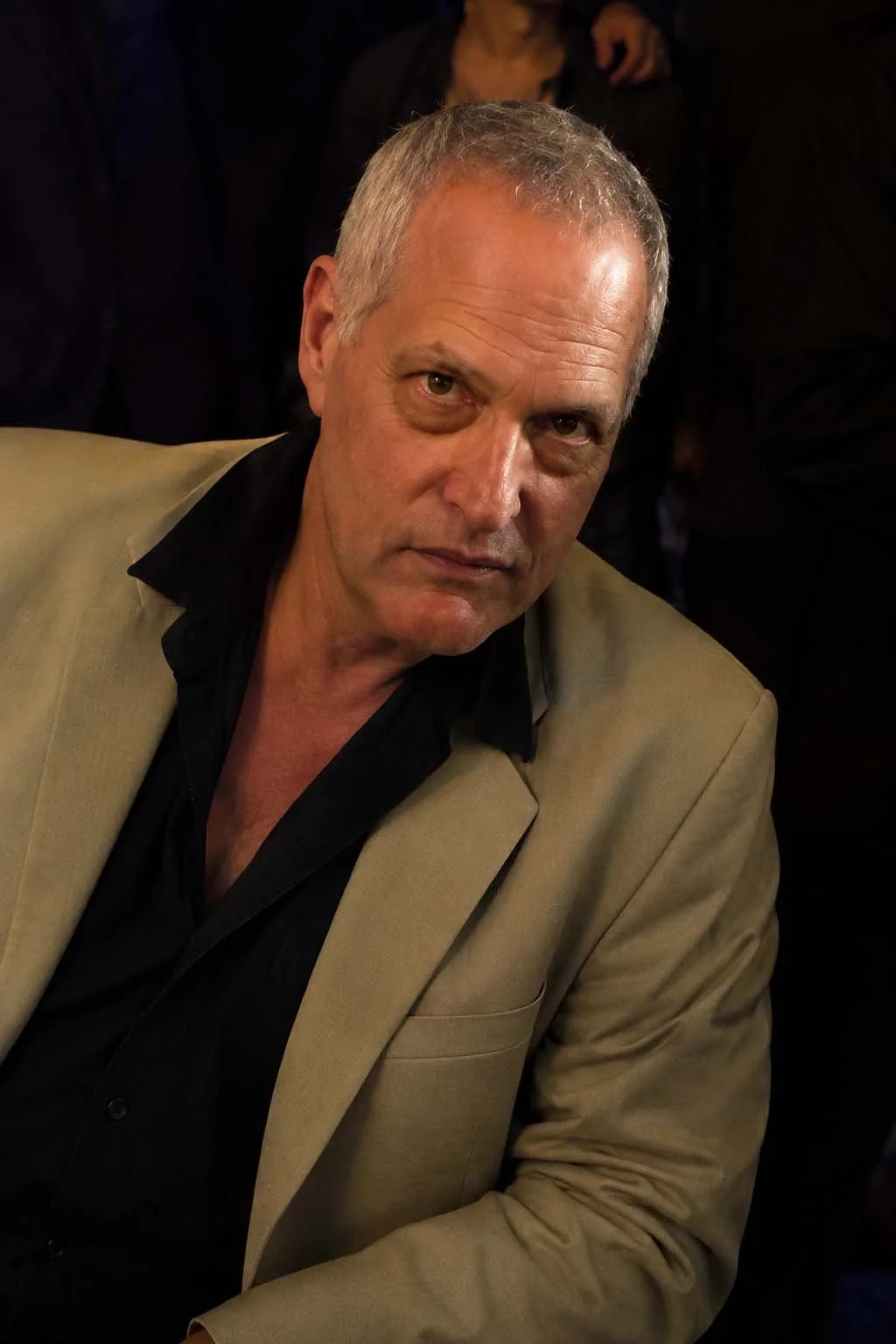
“I’m an artist. I make a work, then another, and keep going until I die. It’s a good life.”