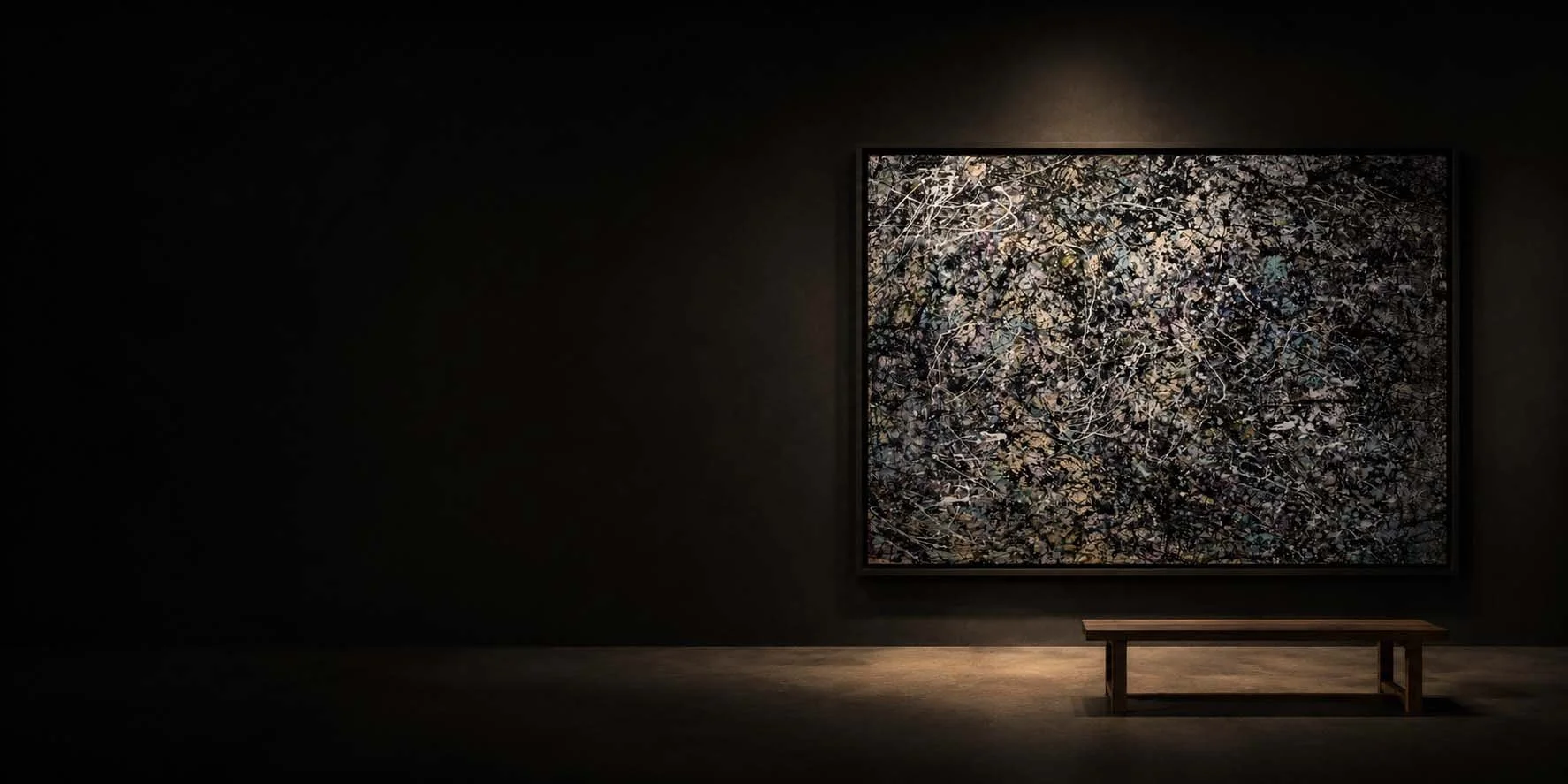
Elliot Denburg's Original Contemporary Paintings: A Lifetime of Exploration
A painting changes a room. Sometimes it quietly becomes part of the space. Other times it fills an entire wall, giving the room its own voice. Elliot Denburg has spent more than fifty years creating both.
From monumental canvases to smaller, more intimate works, every painting begins the same way: with curiosity, experimentation, and a willingness to see where the process leads.
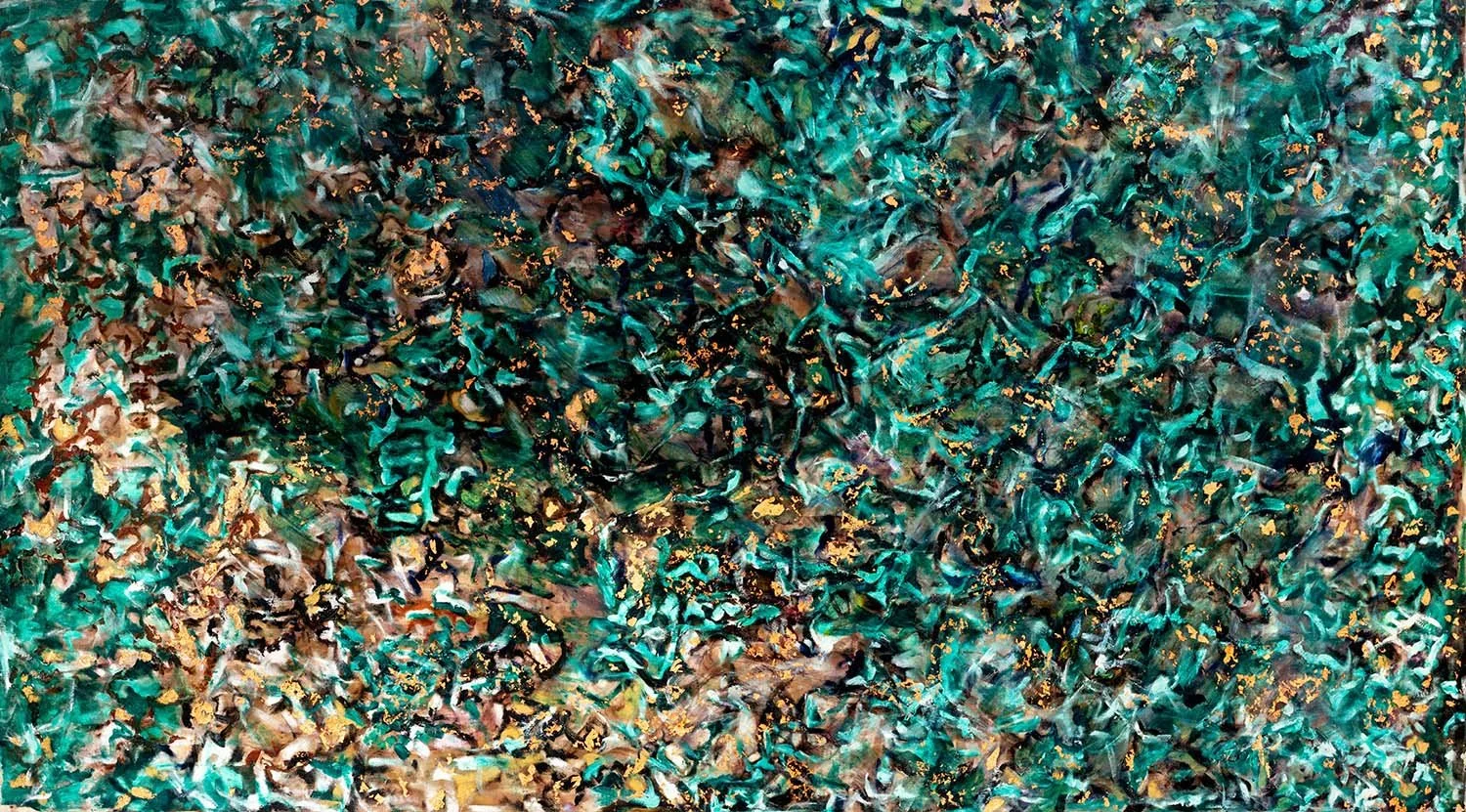
Amber Clearing
Click to view painting details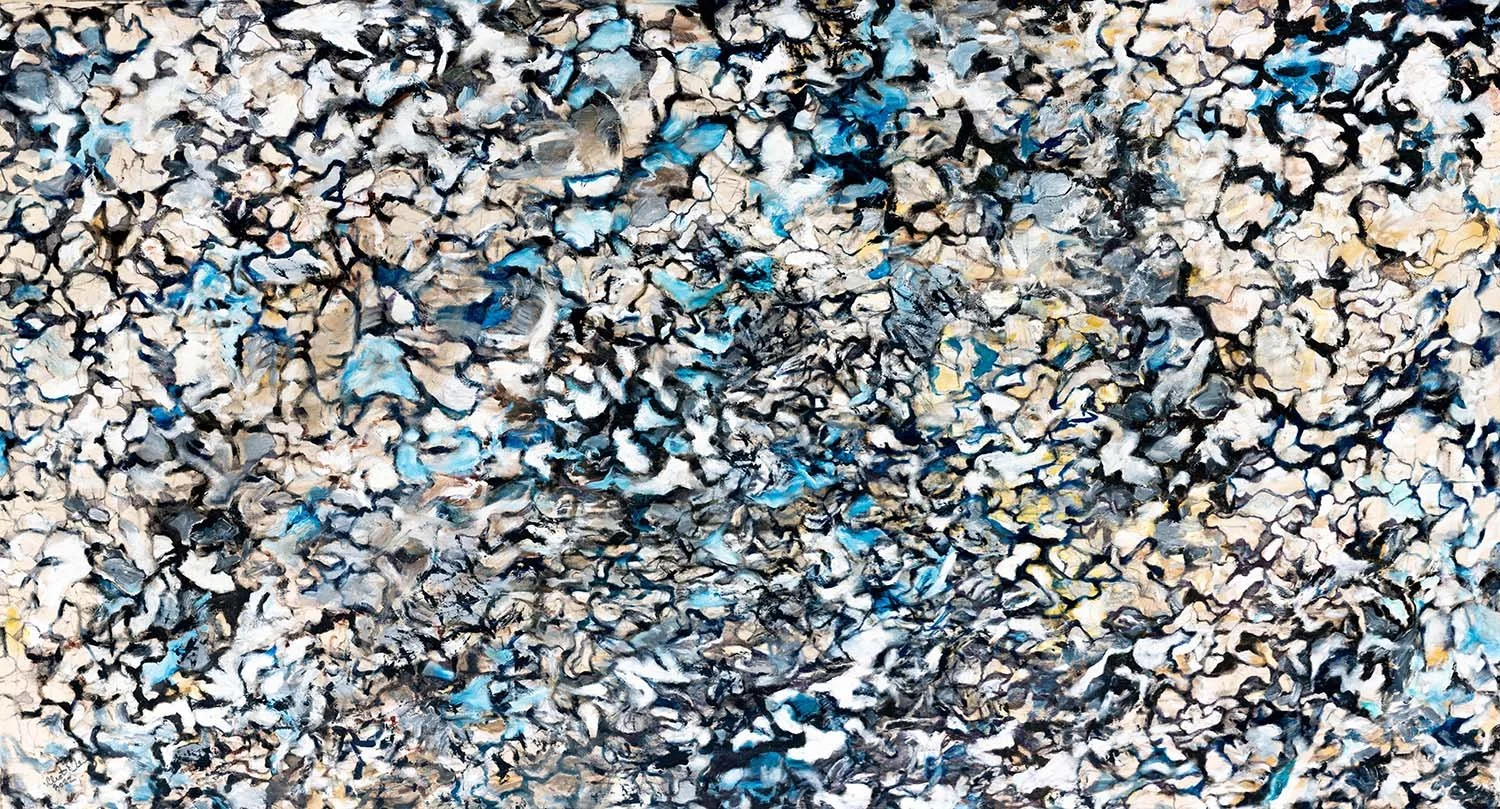
Sadie's Room
Click to view painting details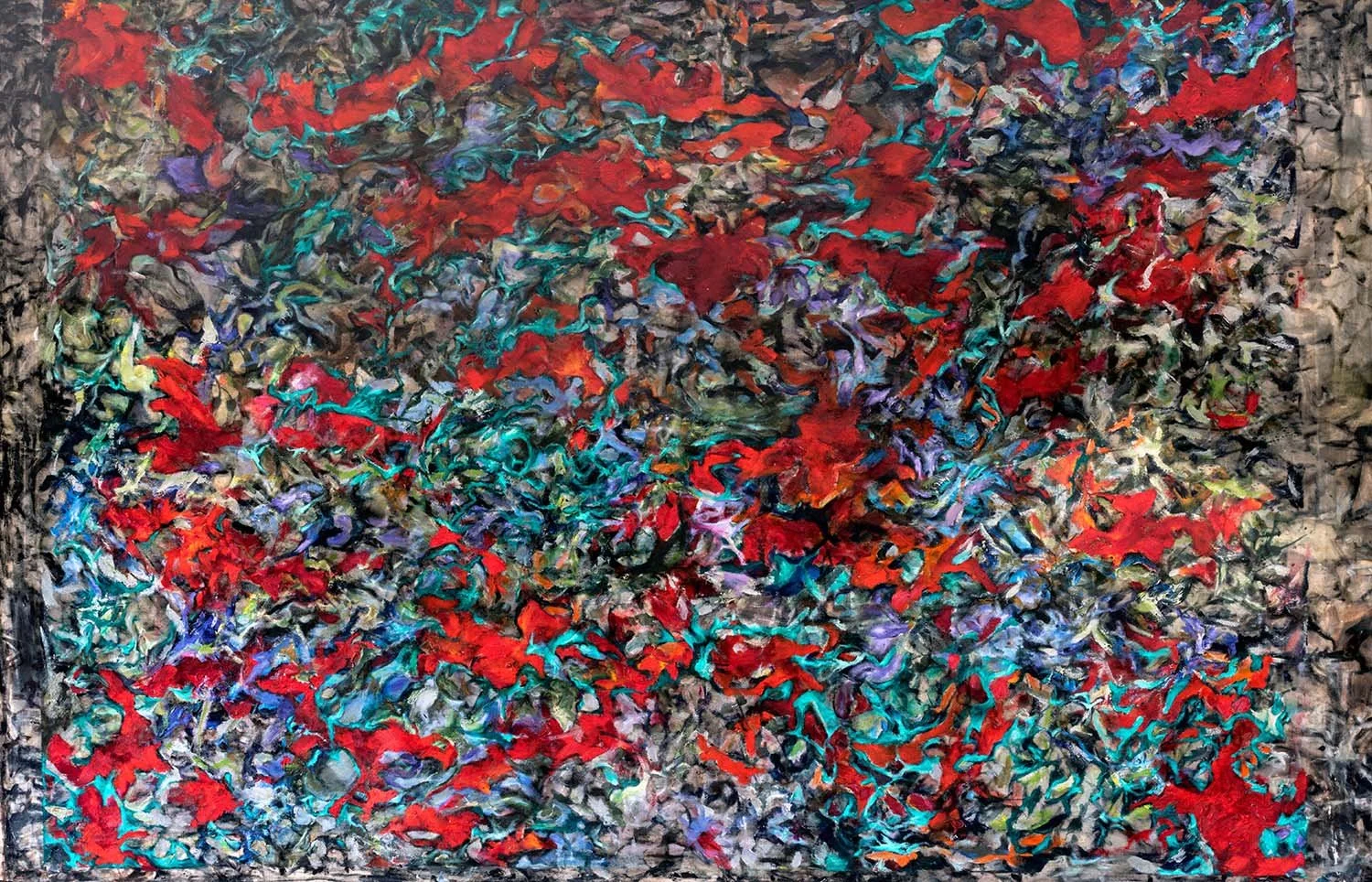
Koi In Barn
Click to view painting details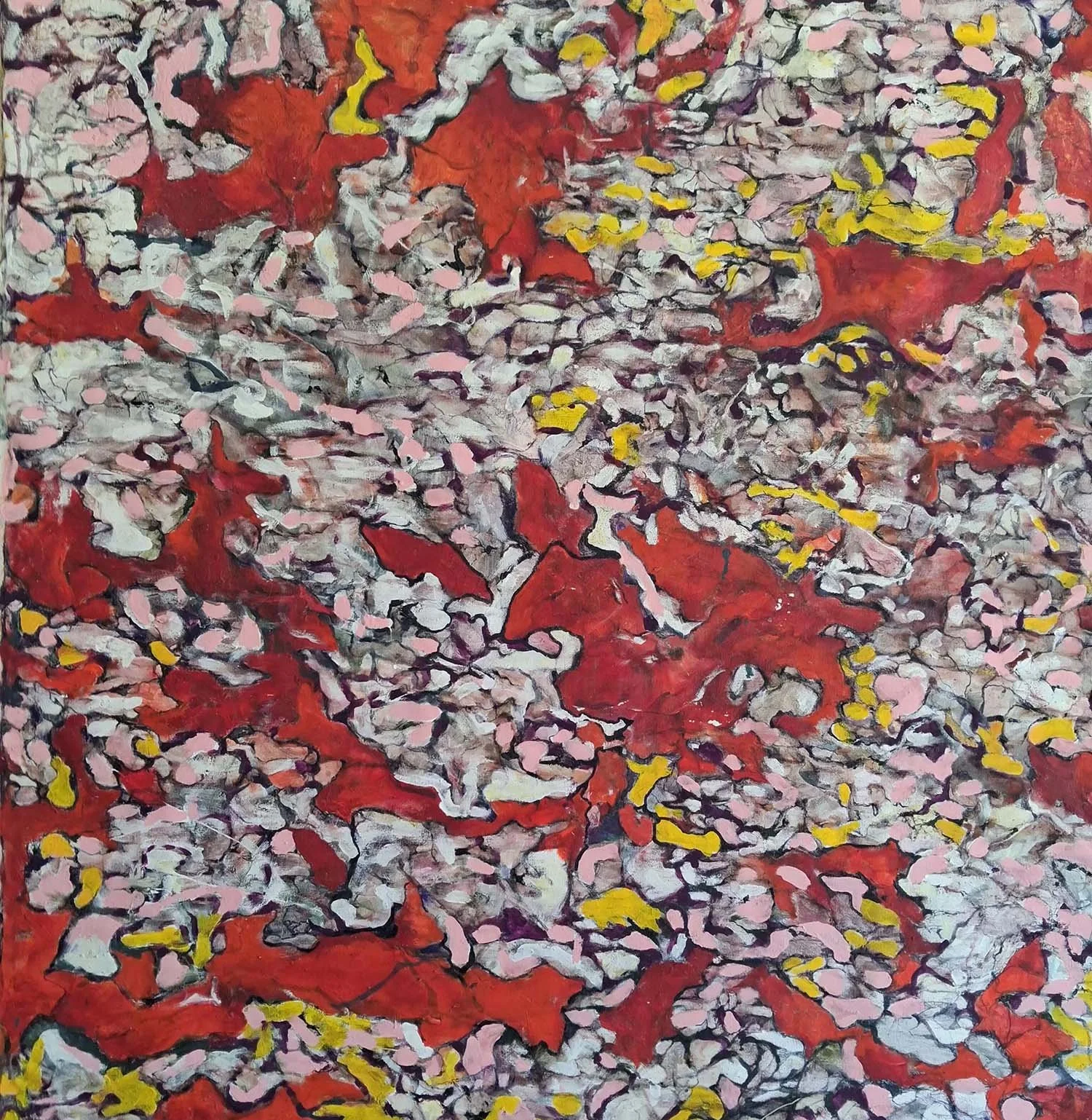
Buddhist Dilemma
Click to view painting details
Pacific Vertigo
Click to view painting details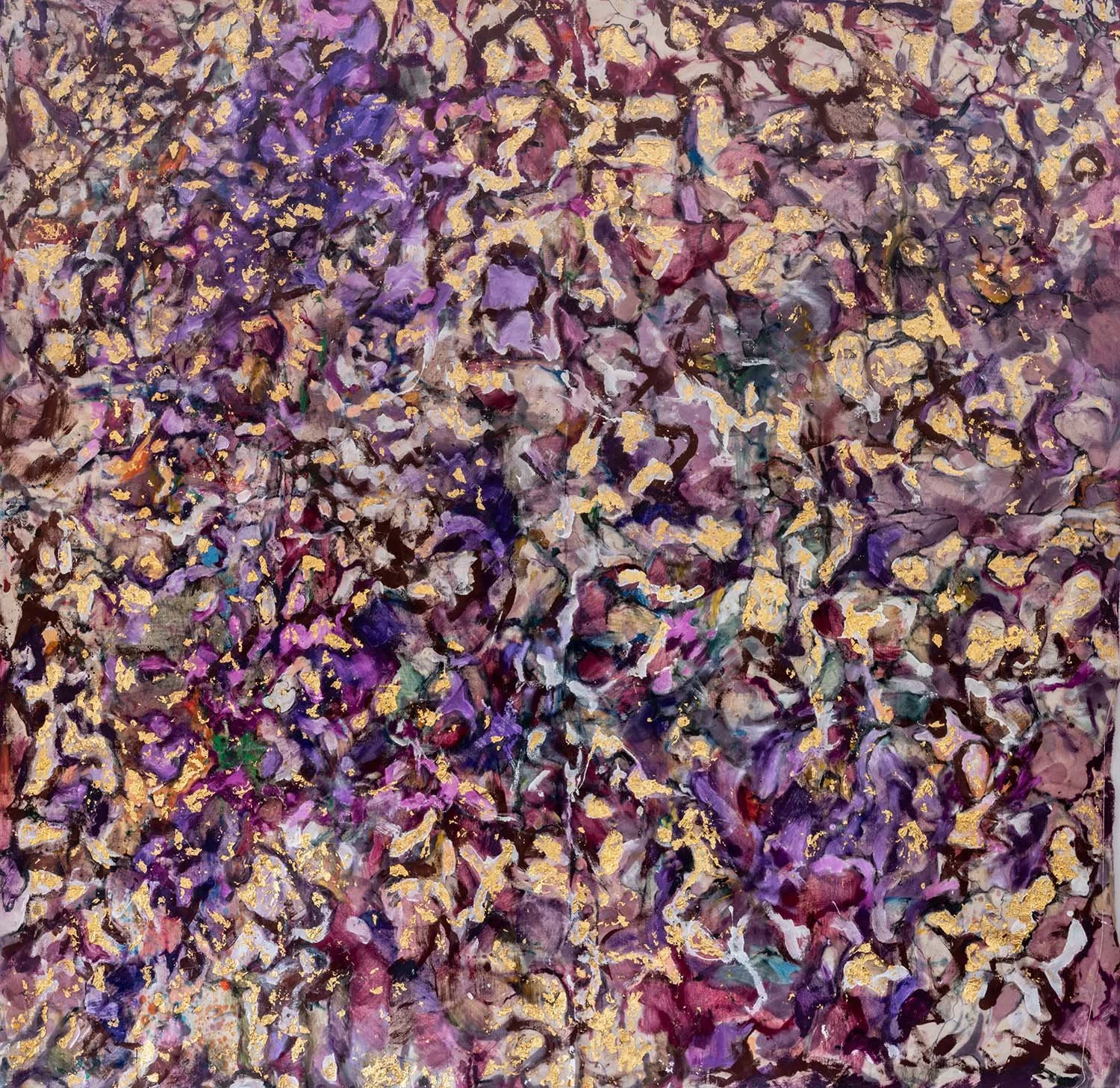
Gold Leaf Ballet
Click to view painting details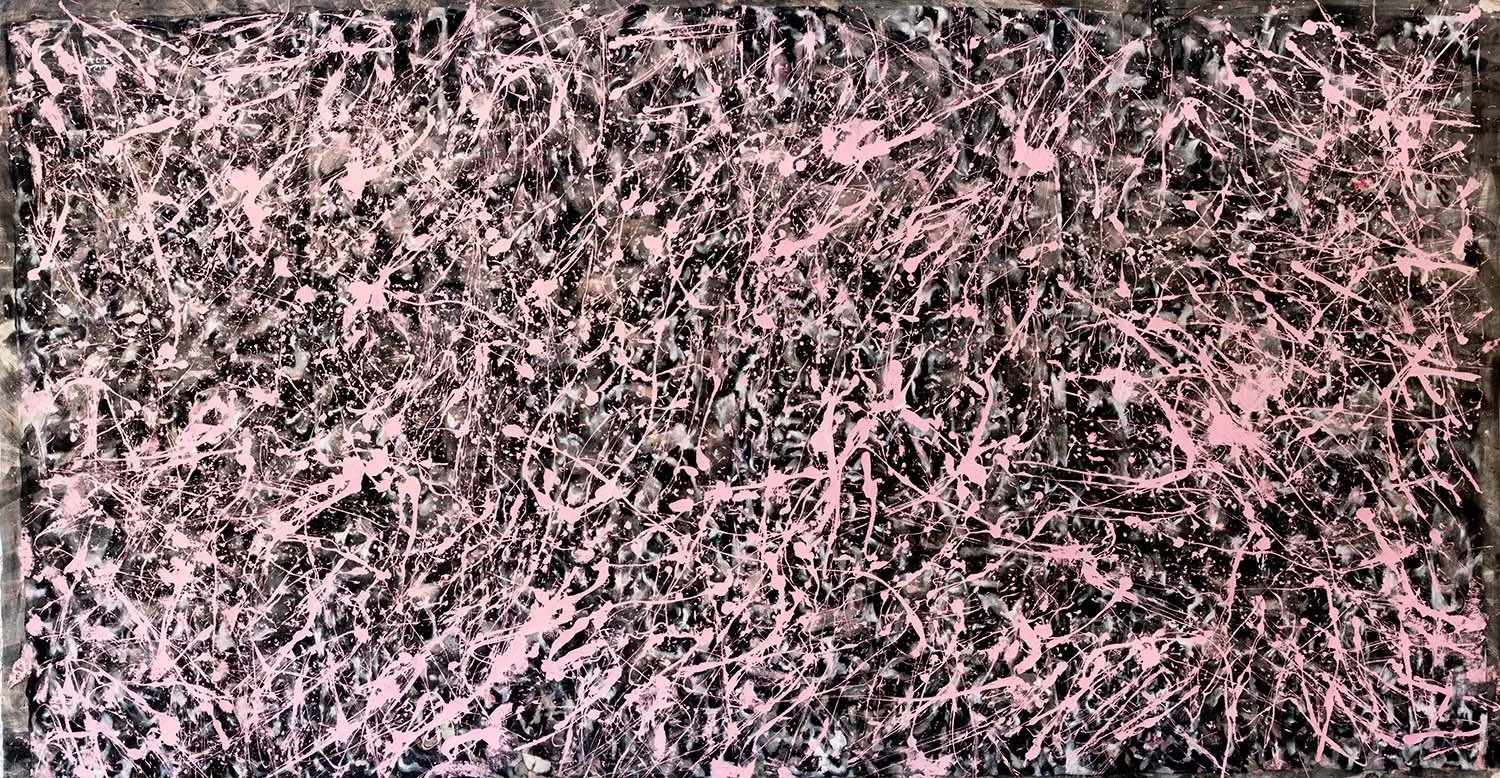
Pink Typhoon
Click to view painting details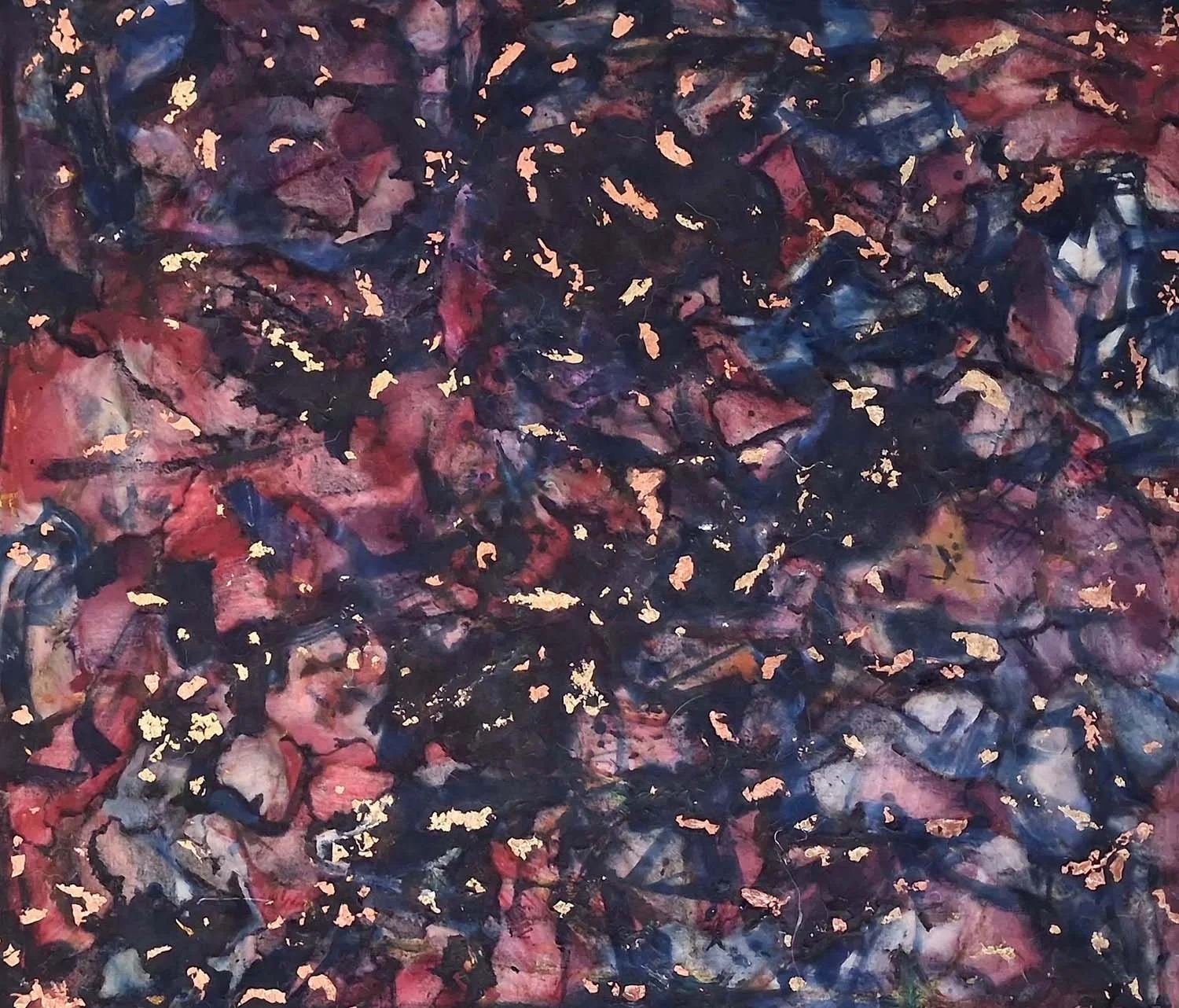
Nebula 12
Click to view painting details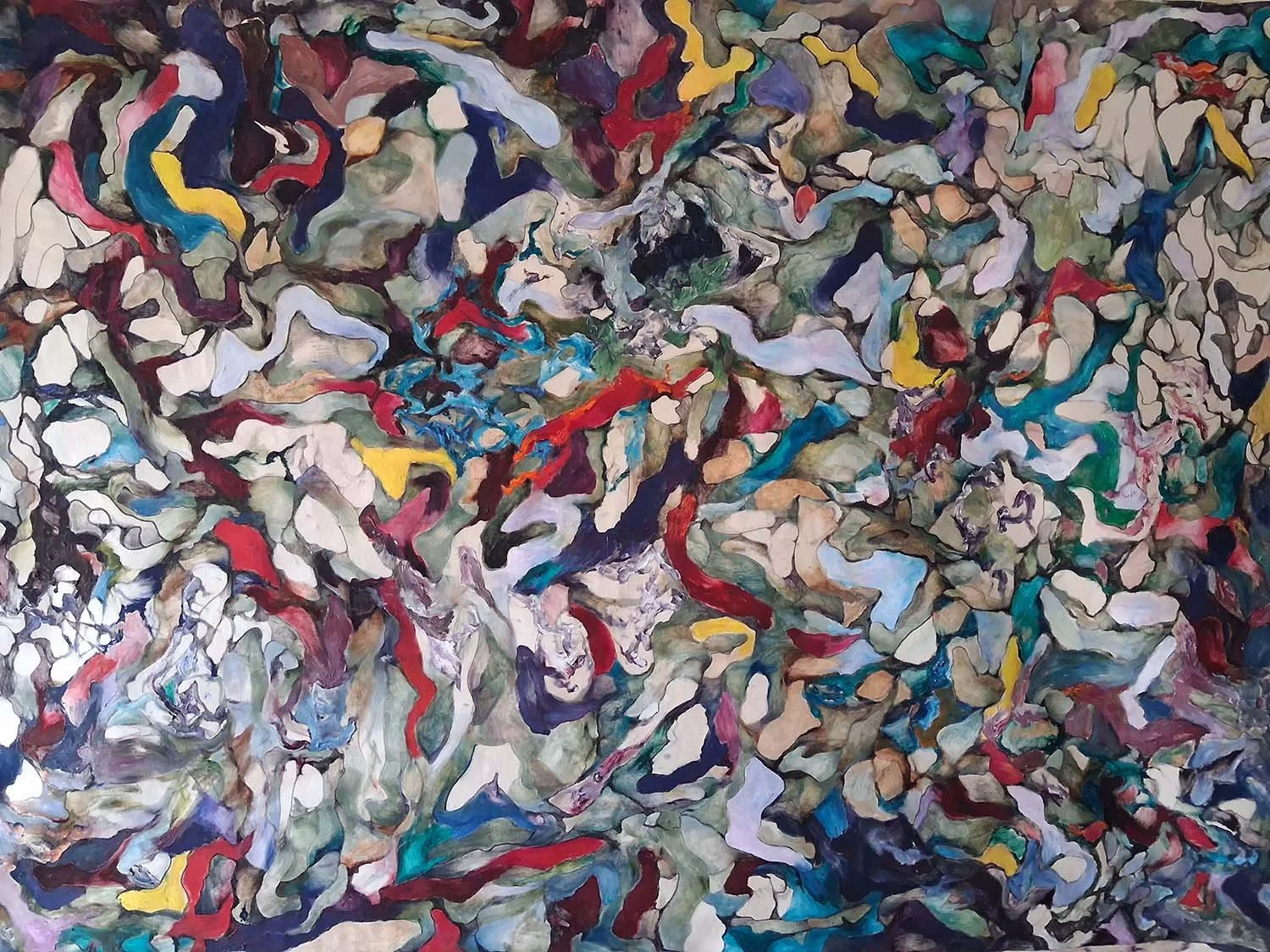
Teacher's Pet
Click to view painting details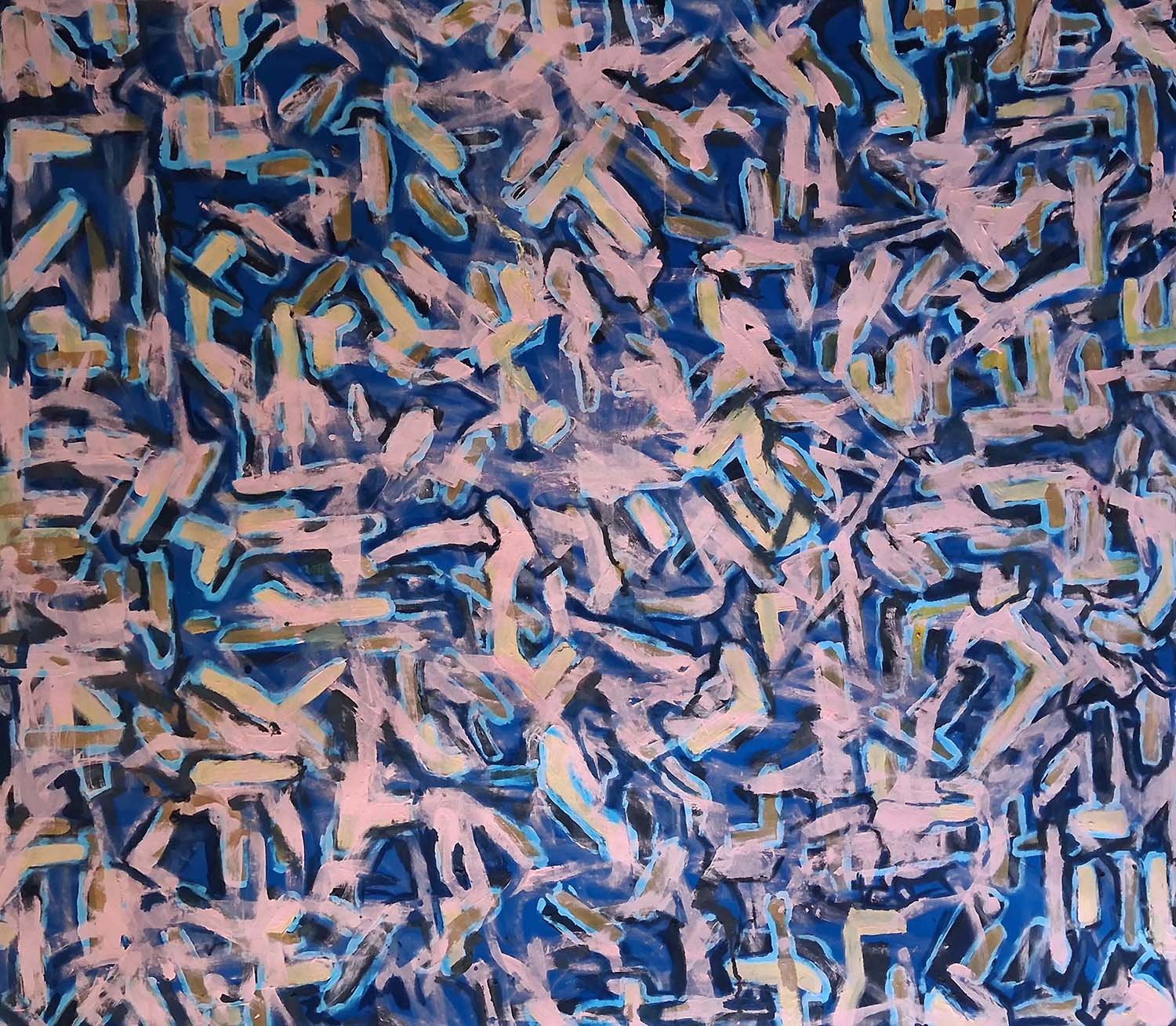
Blue Velvet Flamingo
Click to view painting details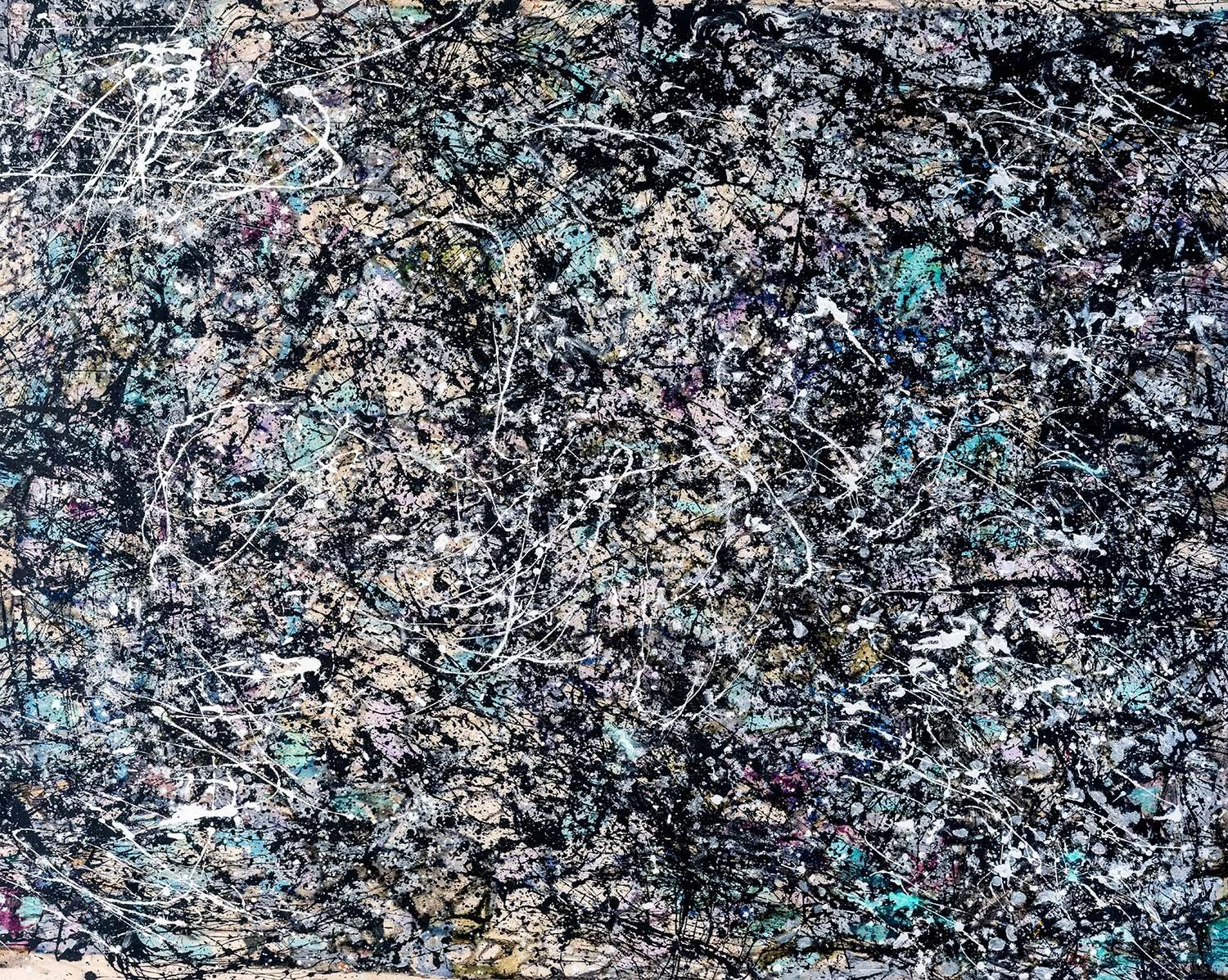
Onyx in Winter
Click to view painting details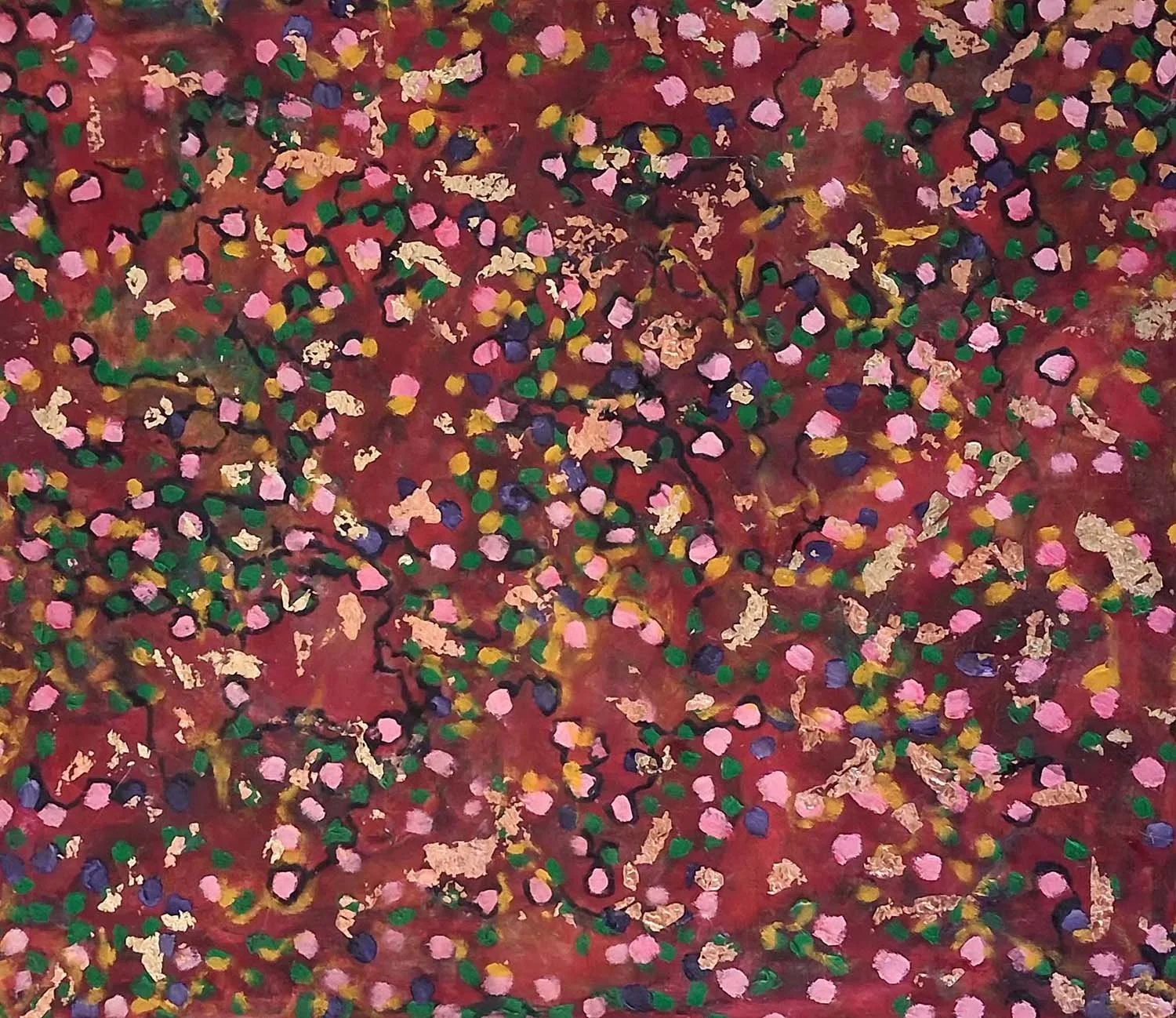
Autumn Bloom
Click to view painting details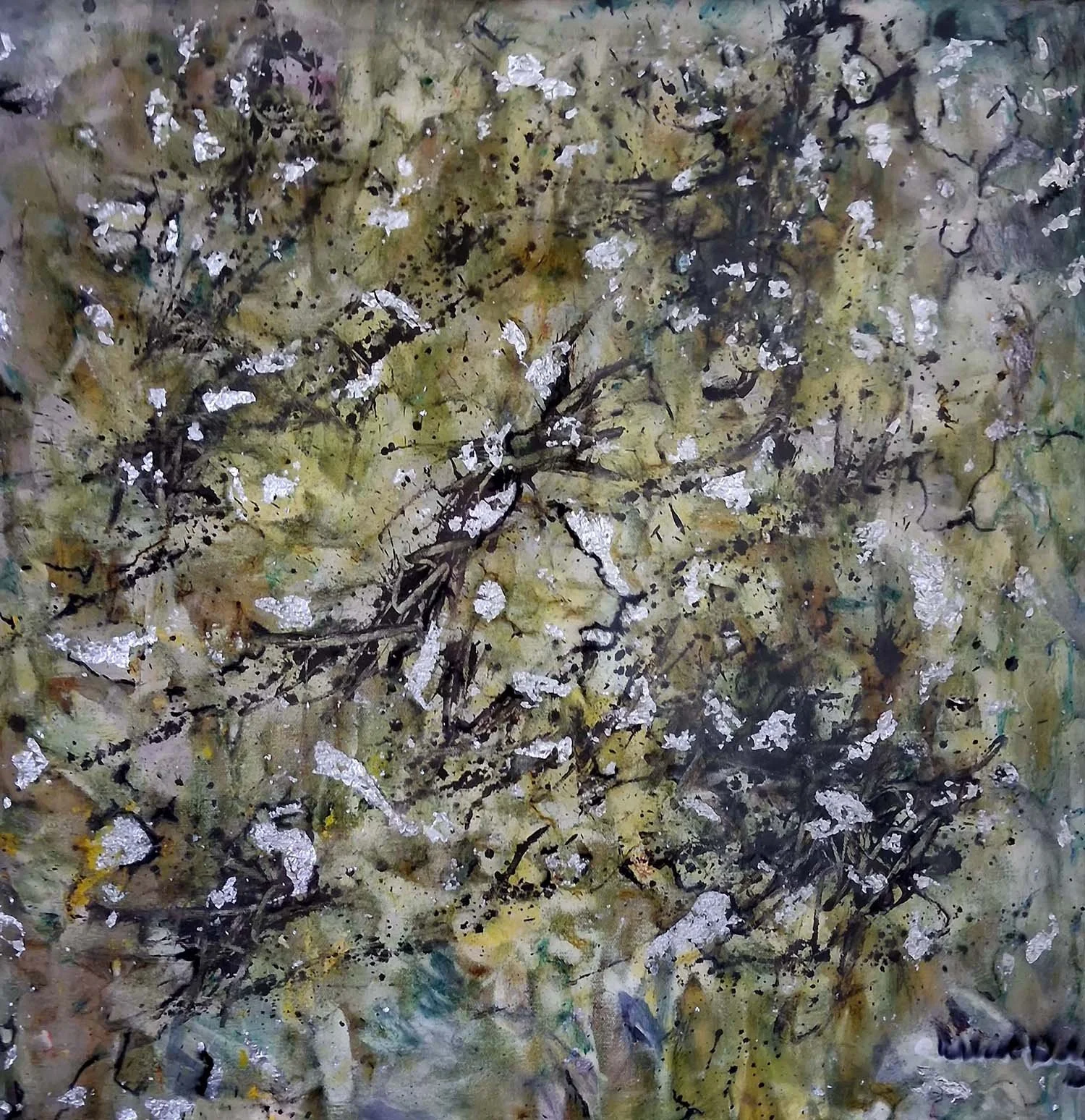
Green Eifelian
Click to view painting details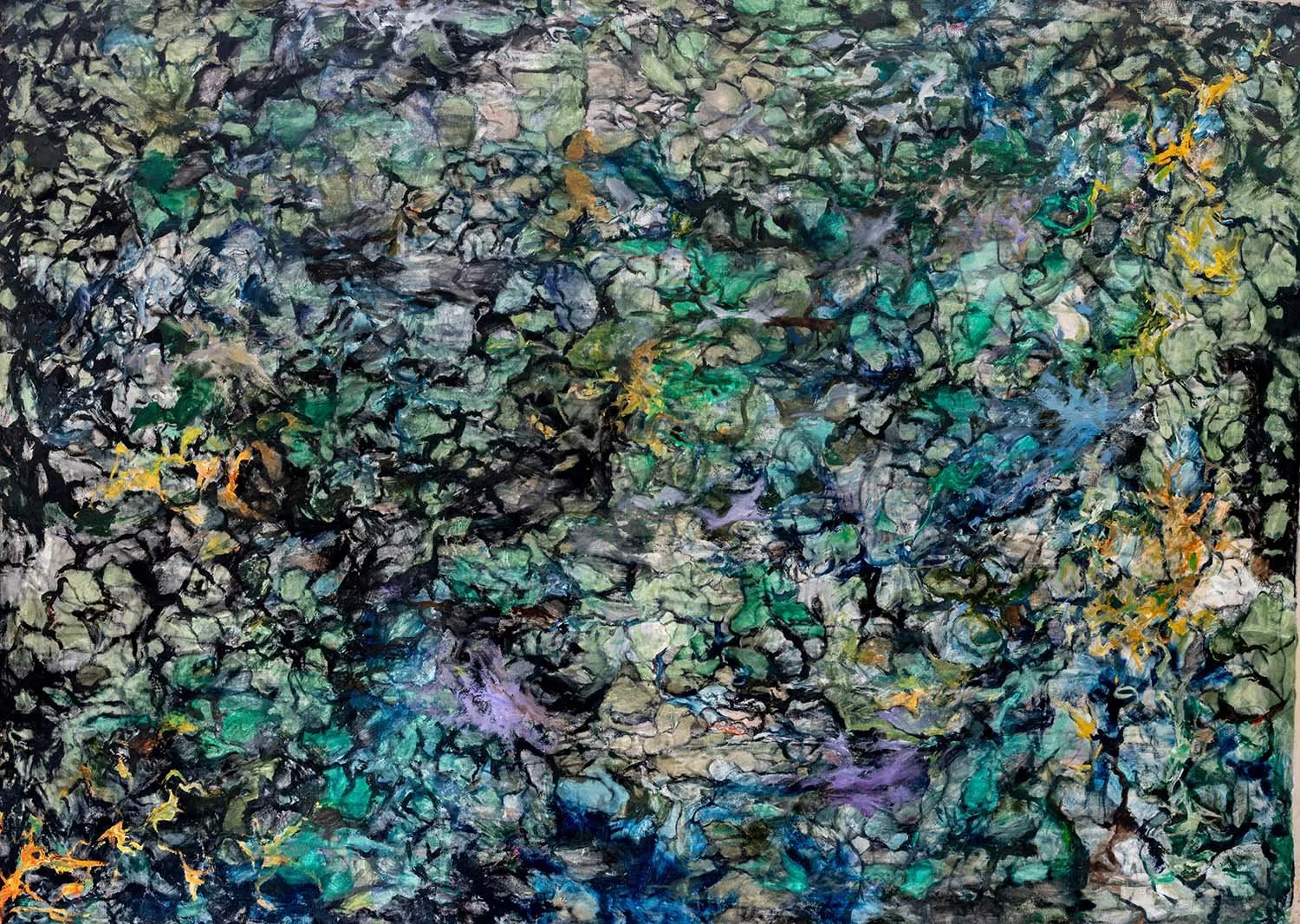
Electric Velvet
Click to view painting details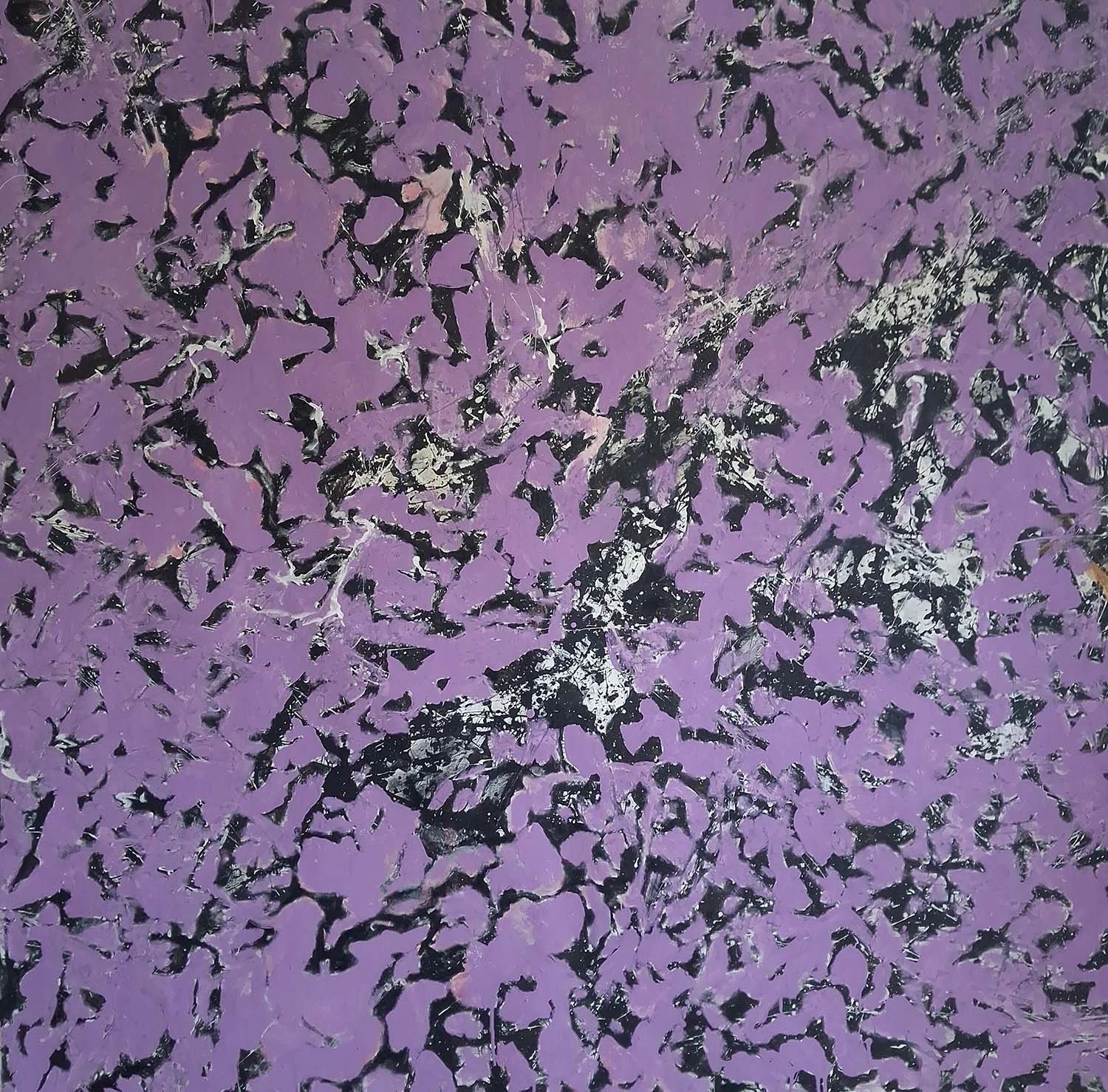
Ode to Prince
Click to view painting details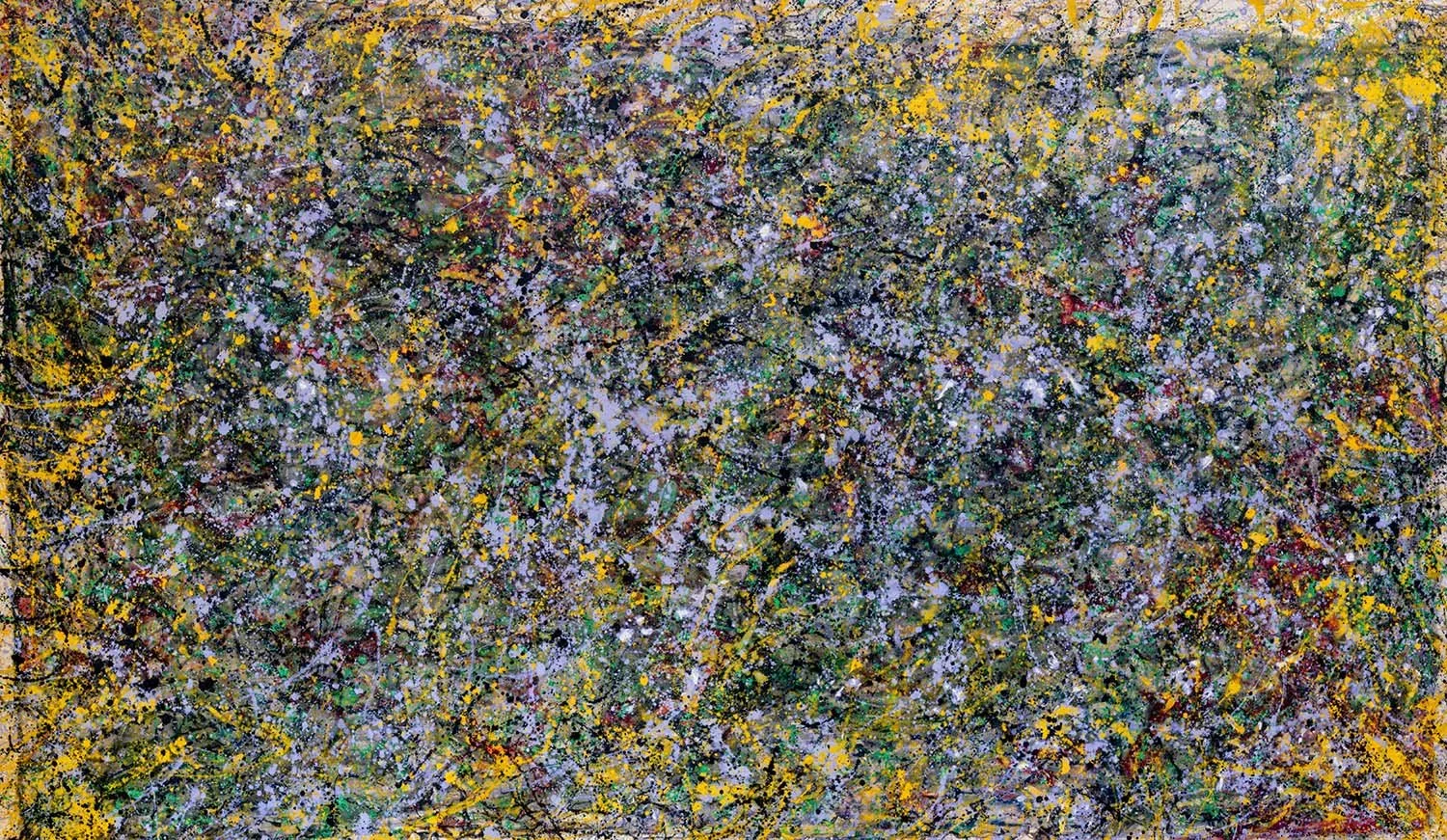
On The Slopes
Click to view painting details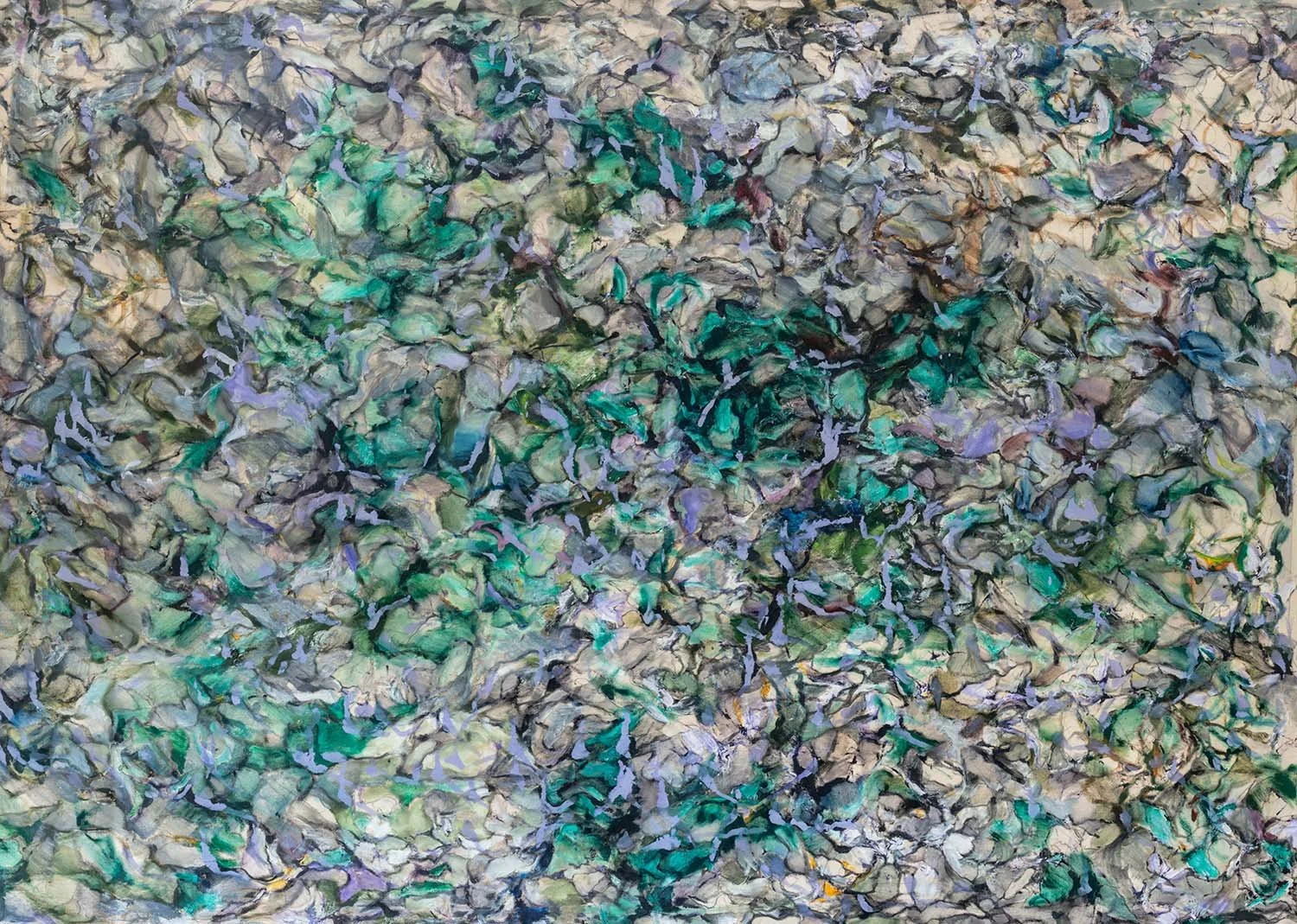
Where Lavender Fades
Click to view painting details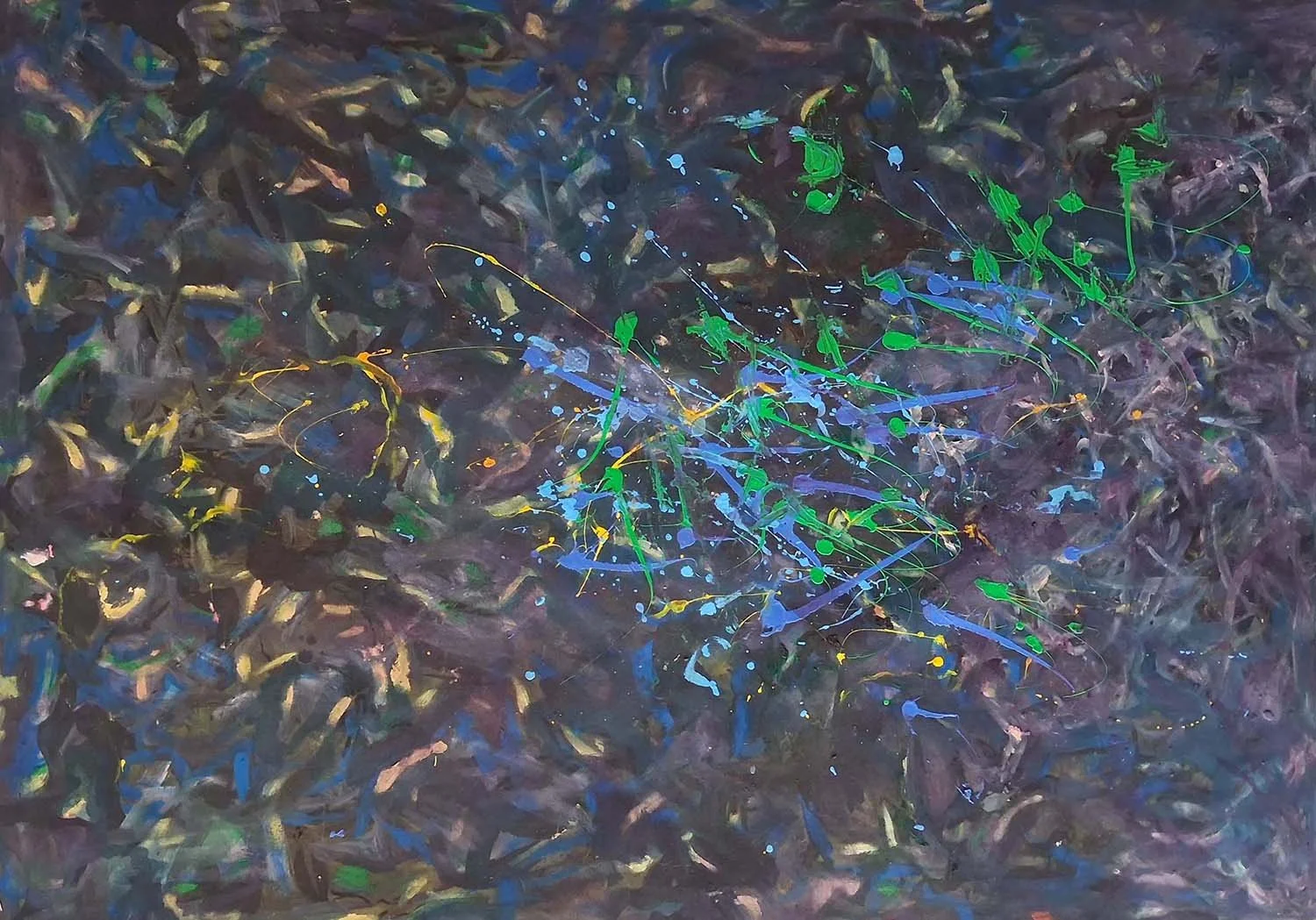
Boardwalk Constellation
Click to view painting details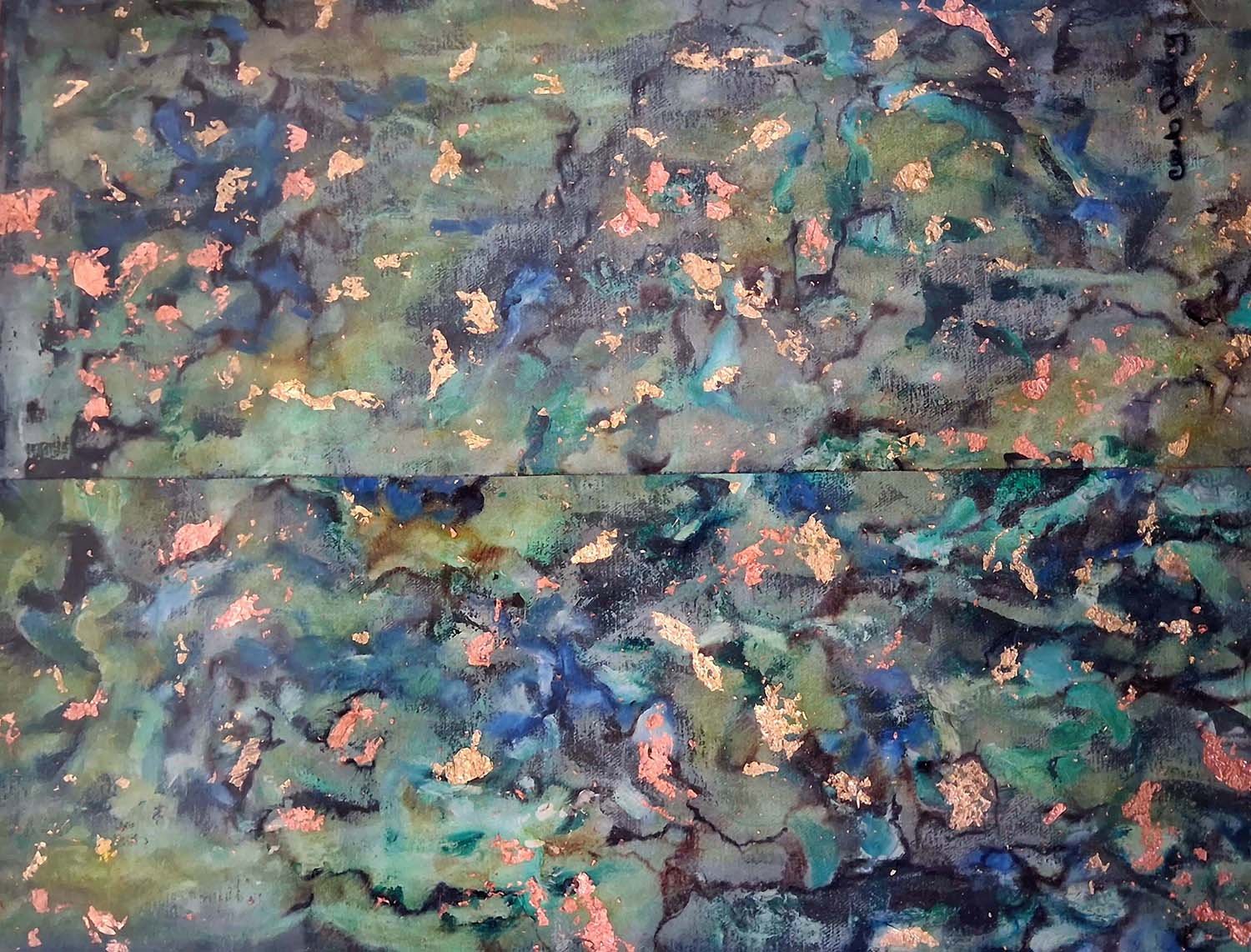
Oro de Sarasota
Click to view painting details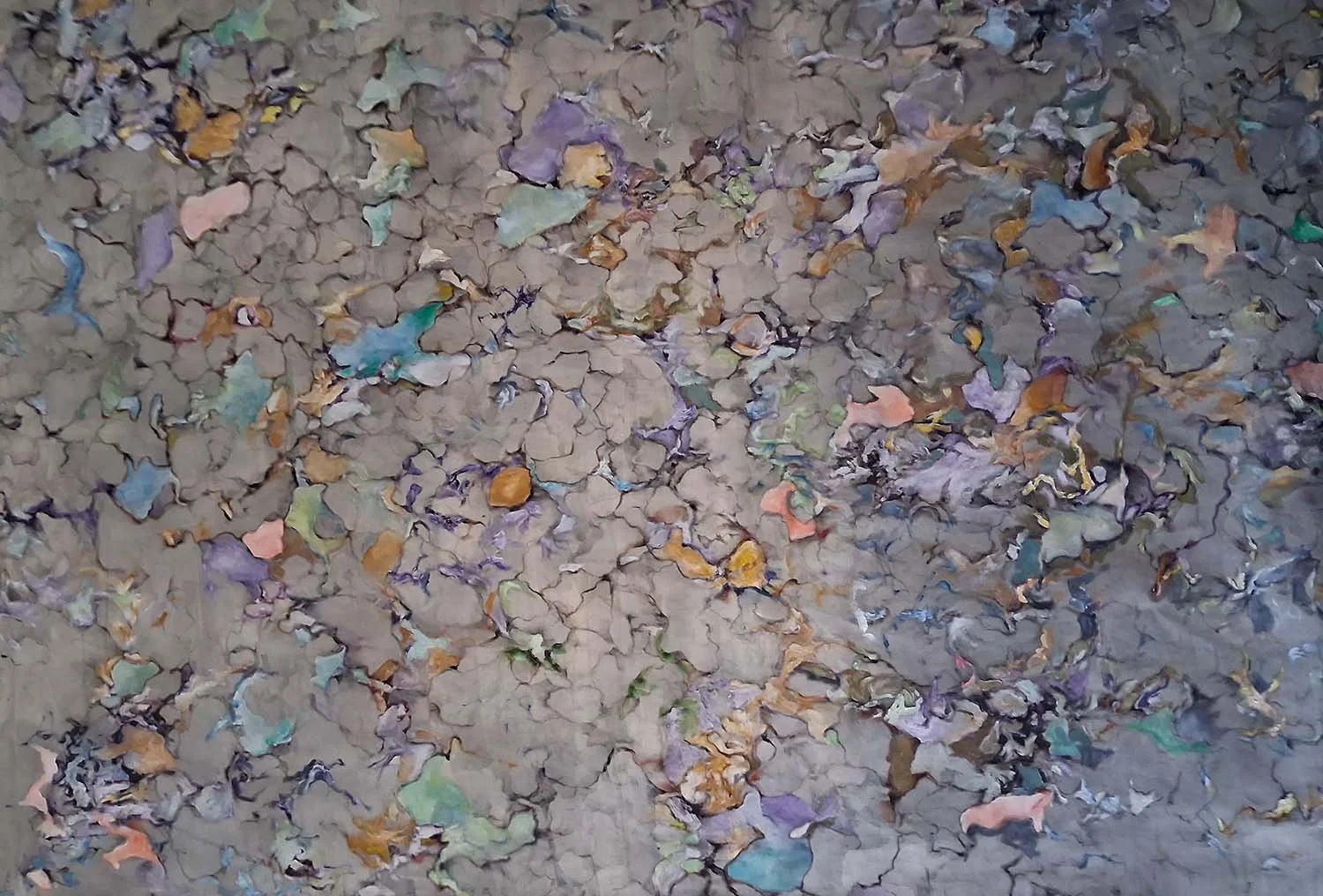
Ethereal Granite
Click to view painting details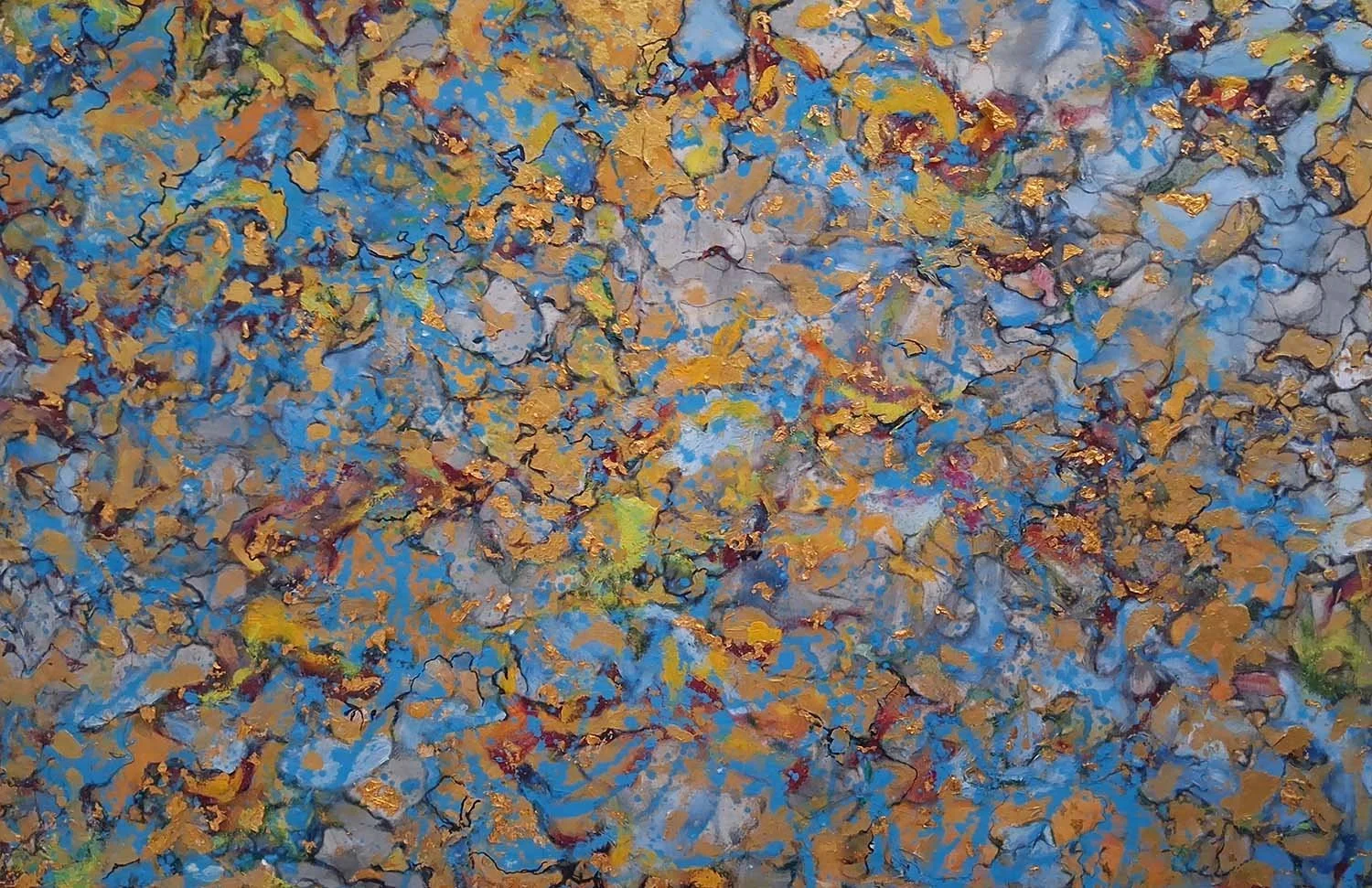
Golden Memories 1
Click to view painting details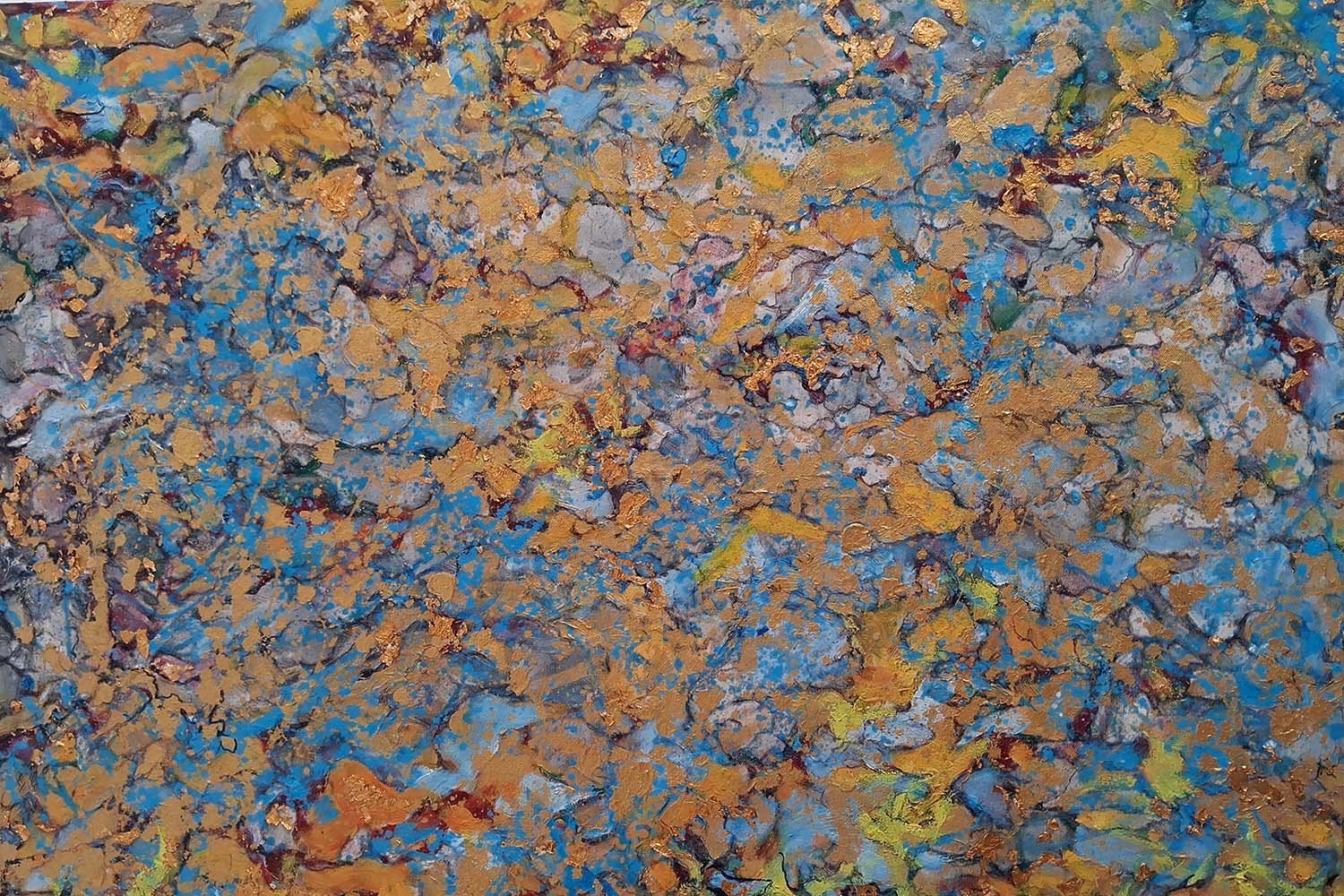
Golden Memories 2
Click to view painting details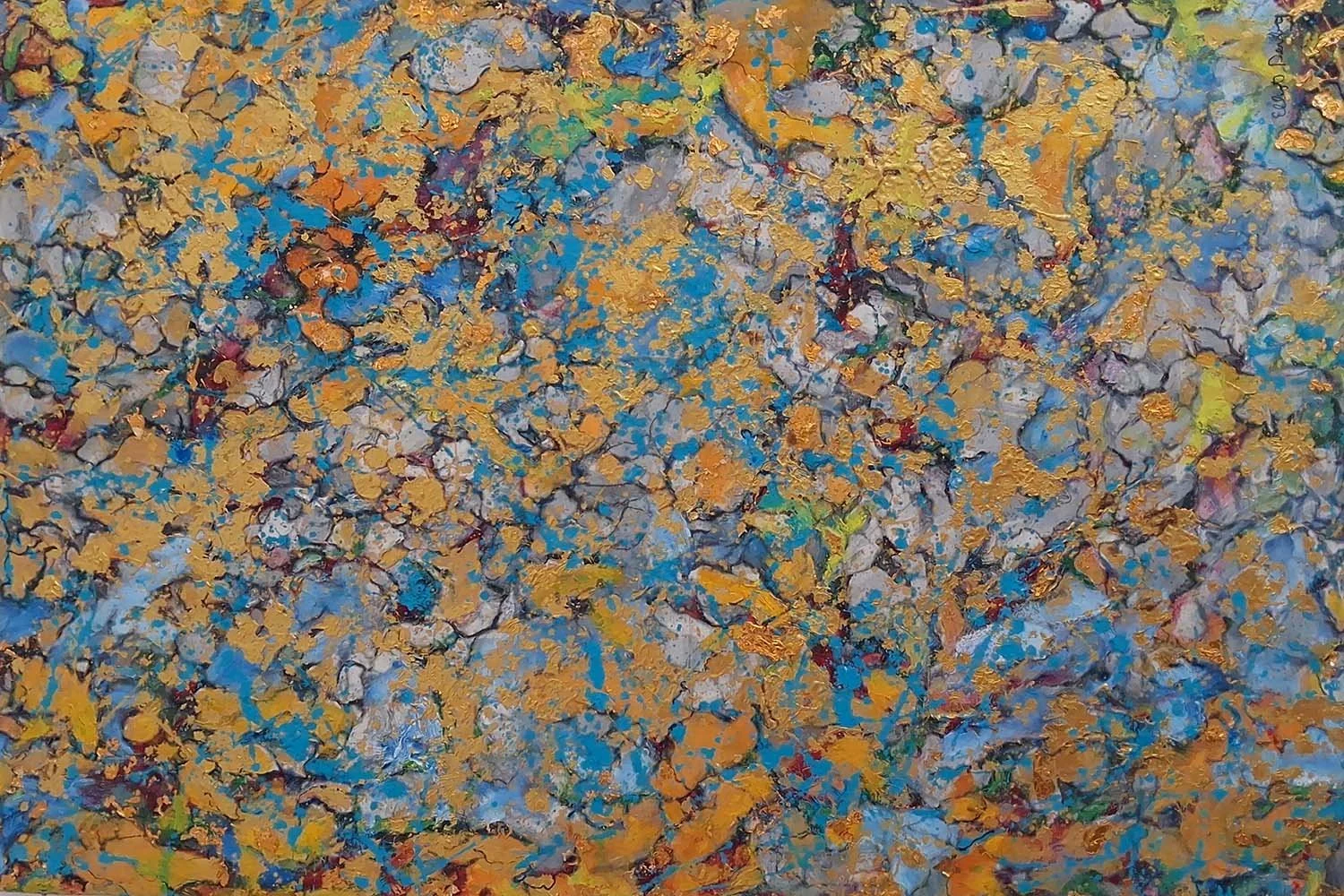
Golden Memories 3
Click to view painting details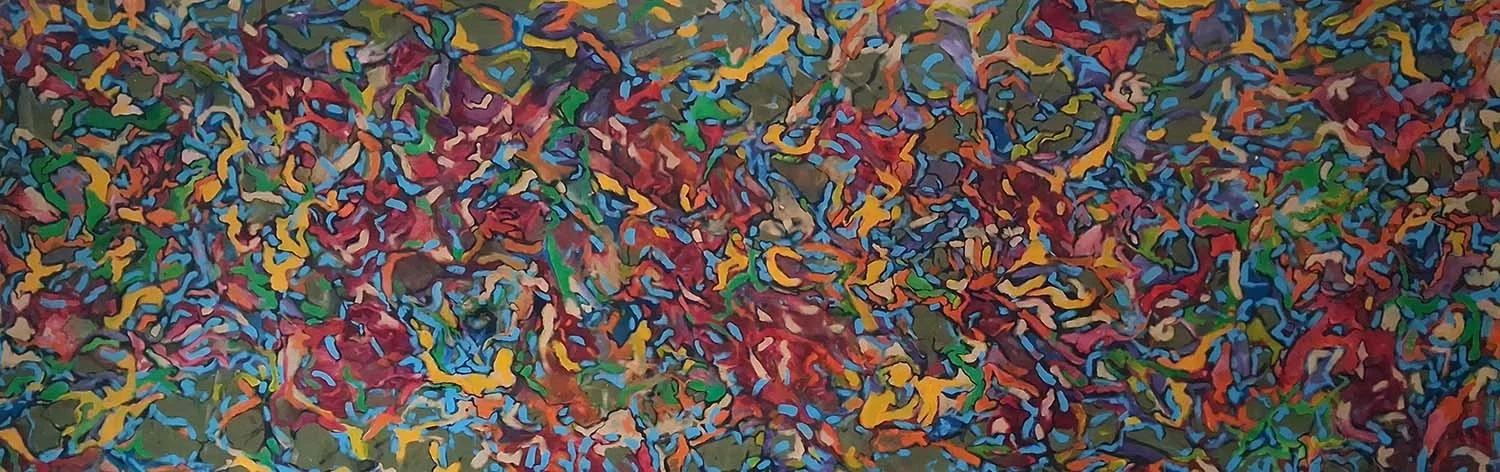
Verde Ramparts
Click to view painting details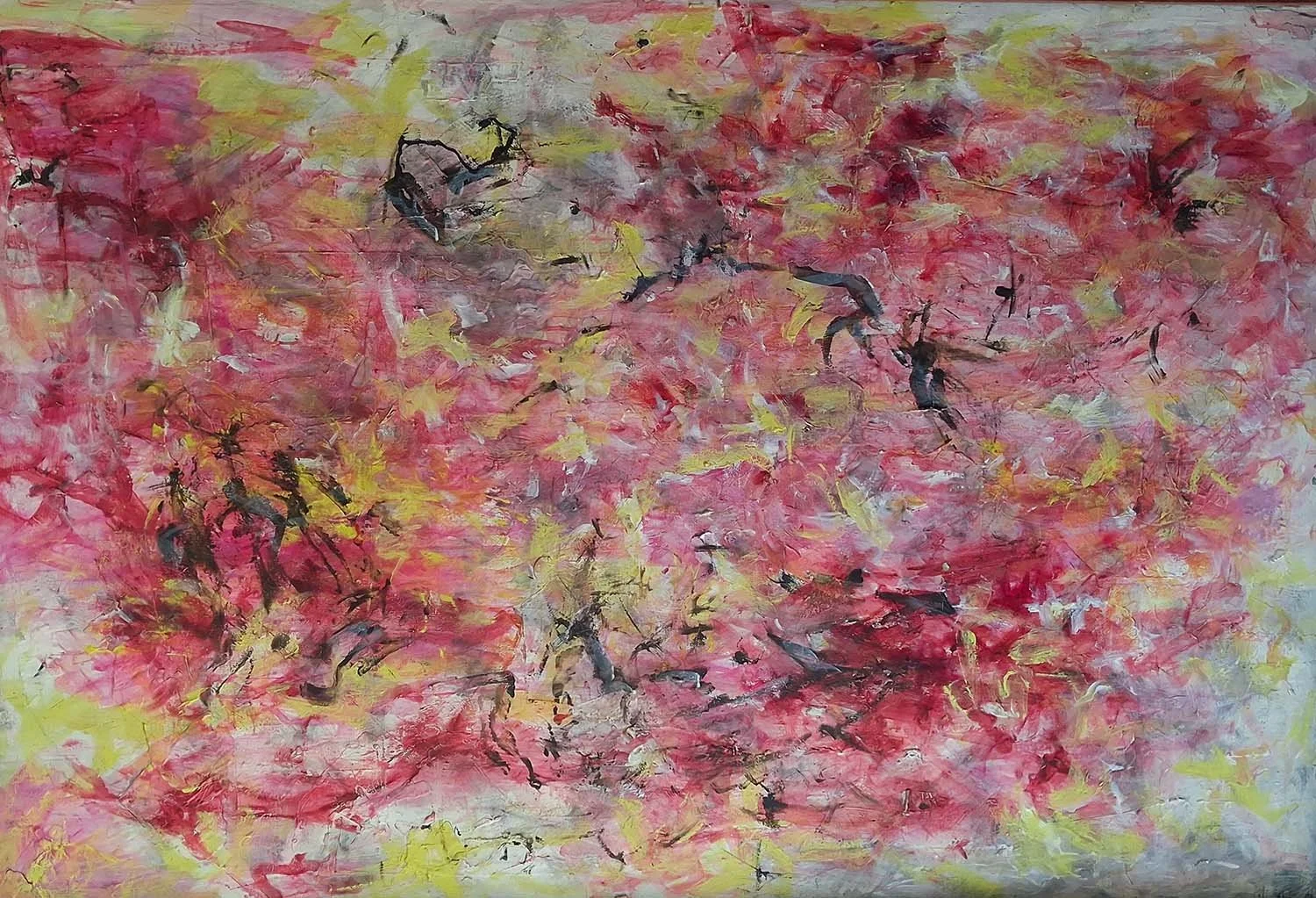
Allison Pink Martini
Click to view painting details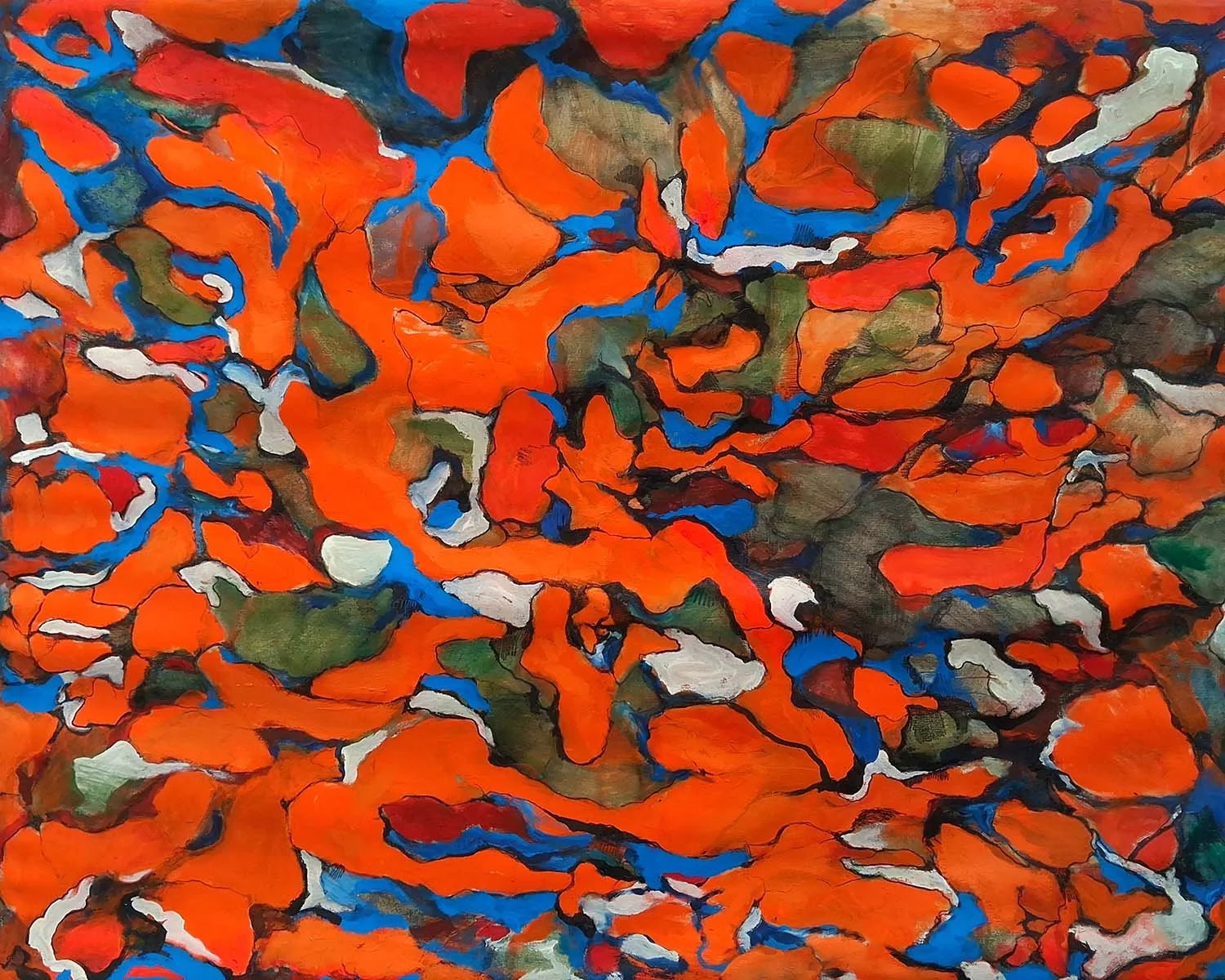
Weequahic 1
Click to view painting details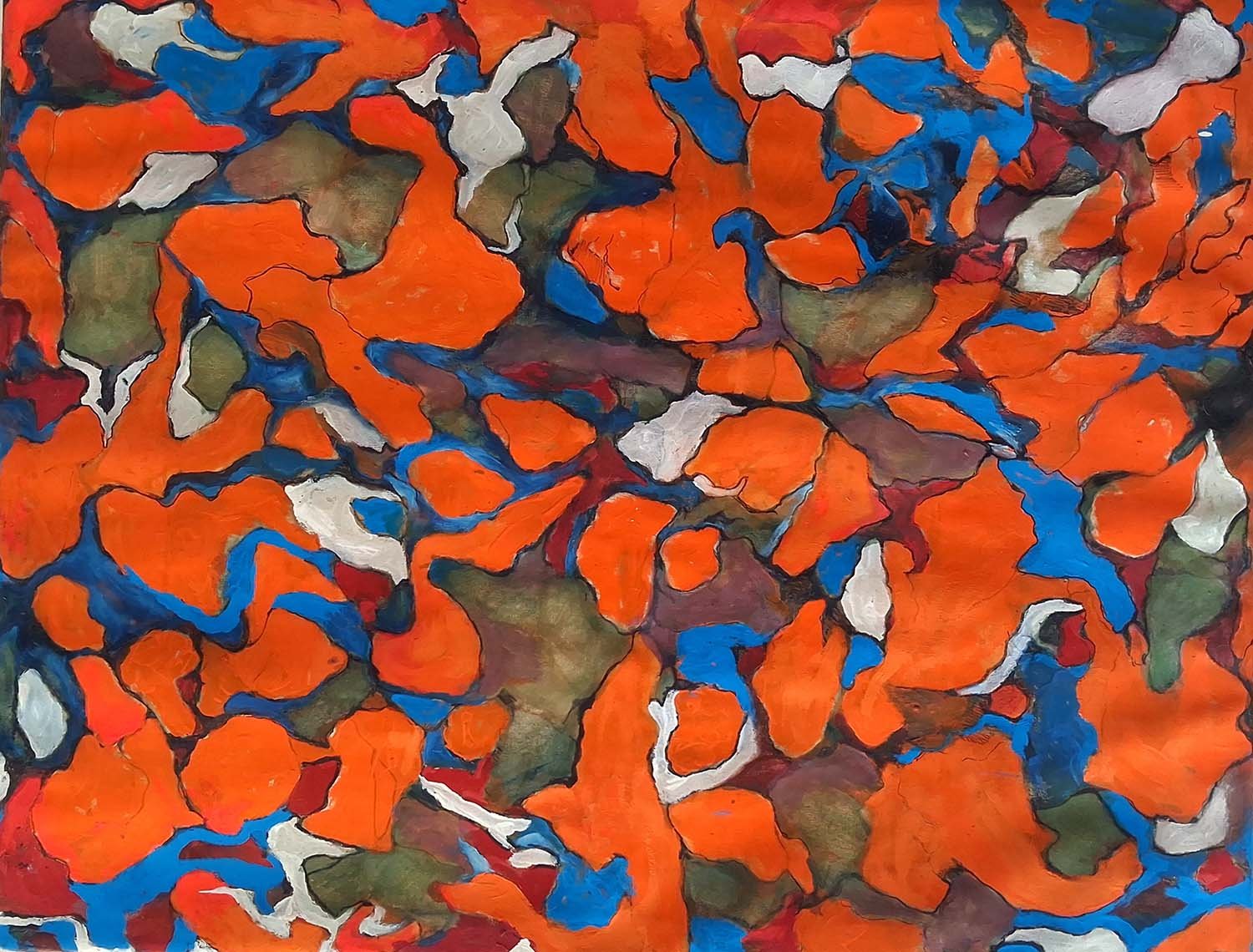
Weequahic 2
Click to view painting details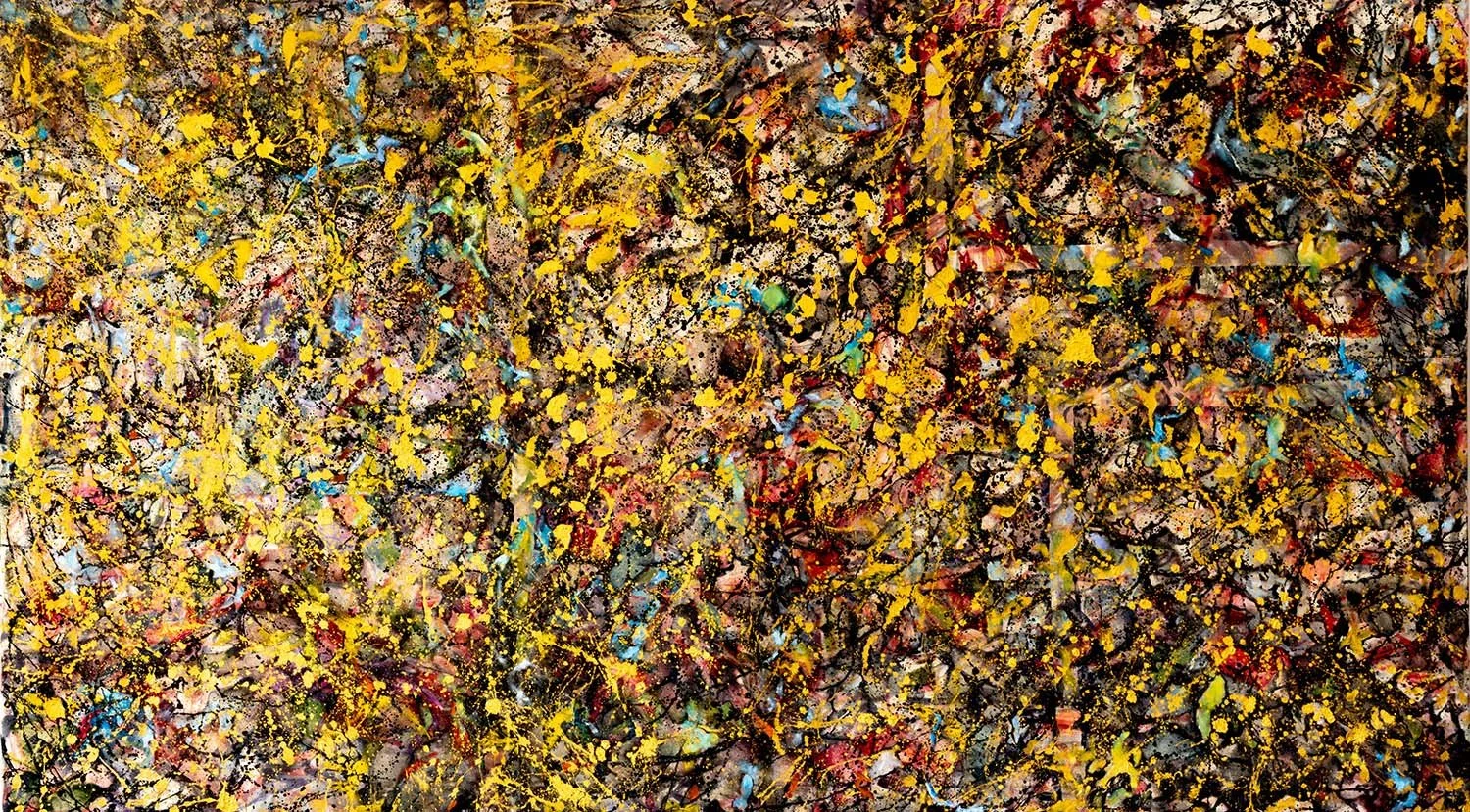
The Anointed One
Click to view painting details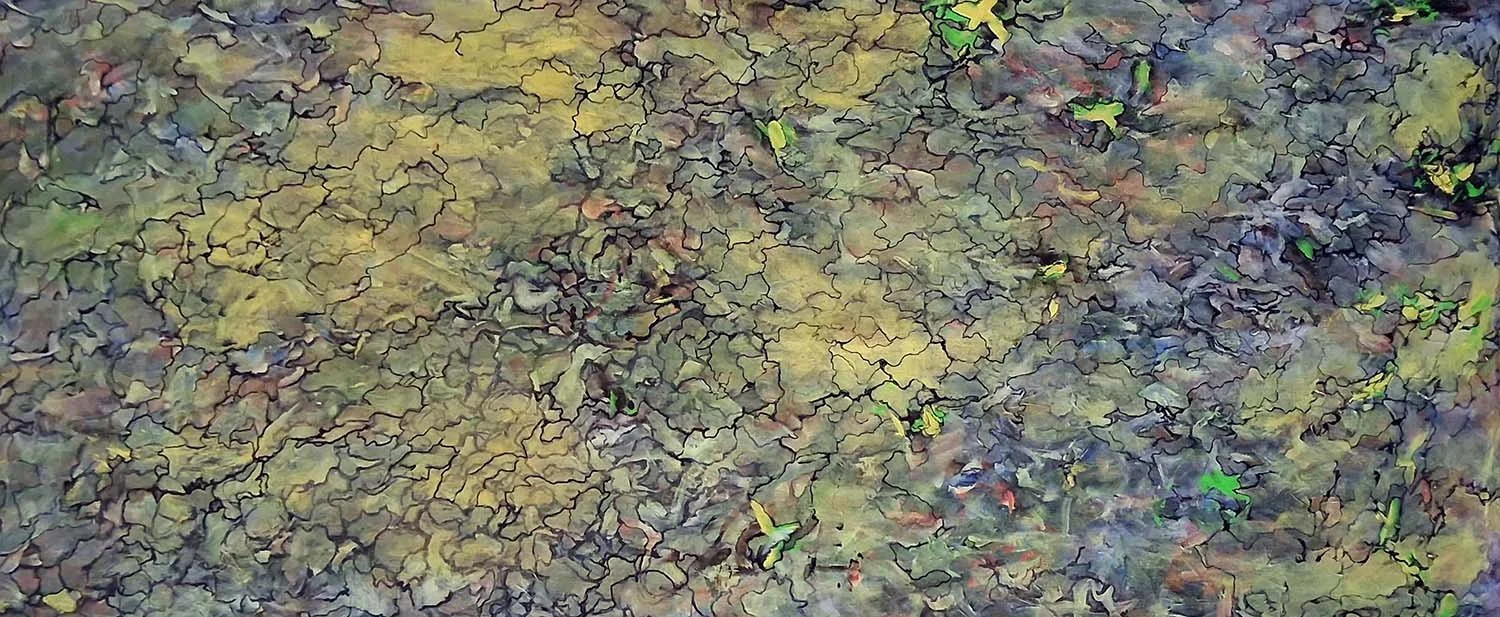
Harrison NJ
Click to view painting details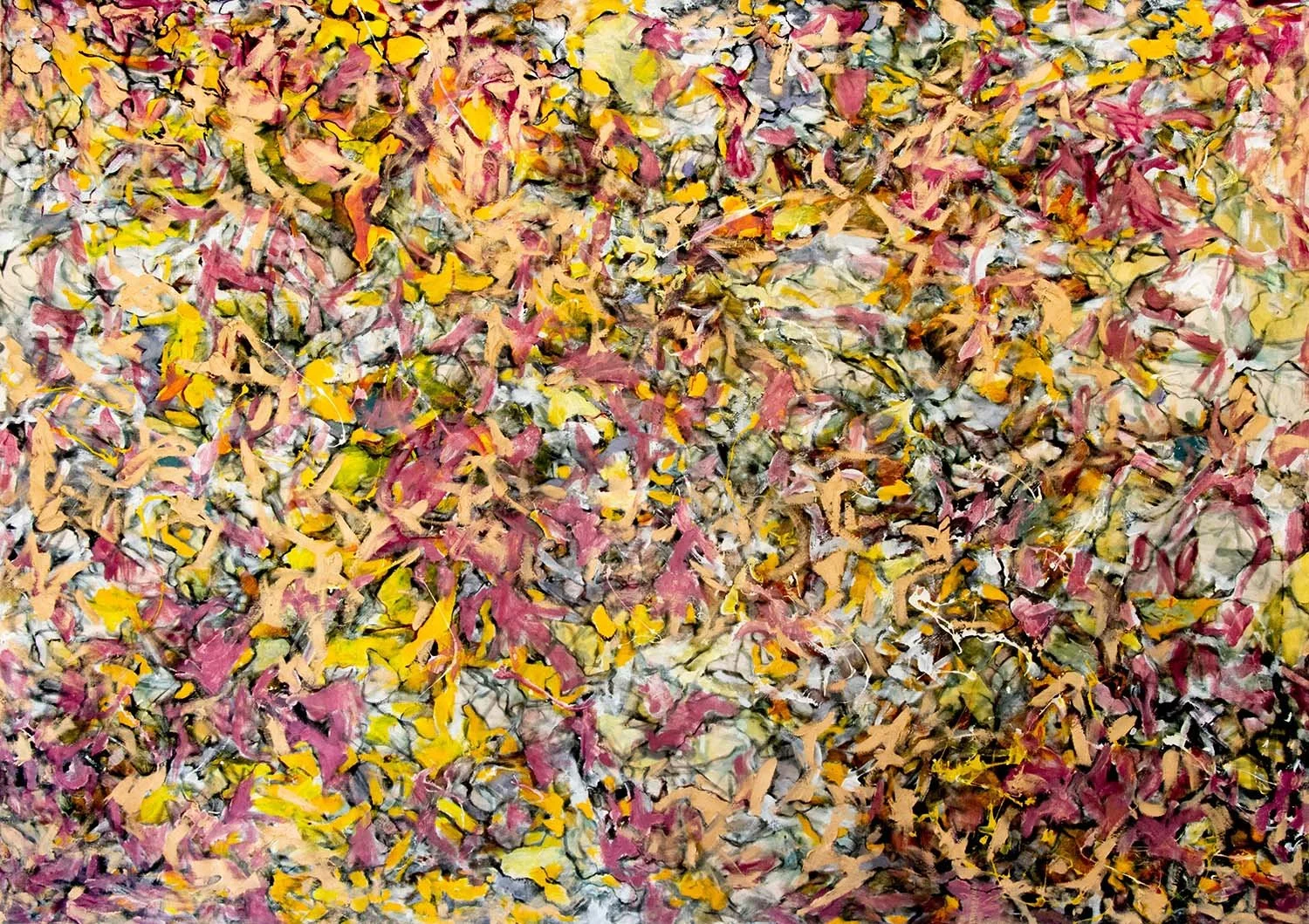
Whispering Of Spring
Click to view painting details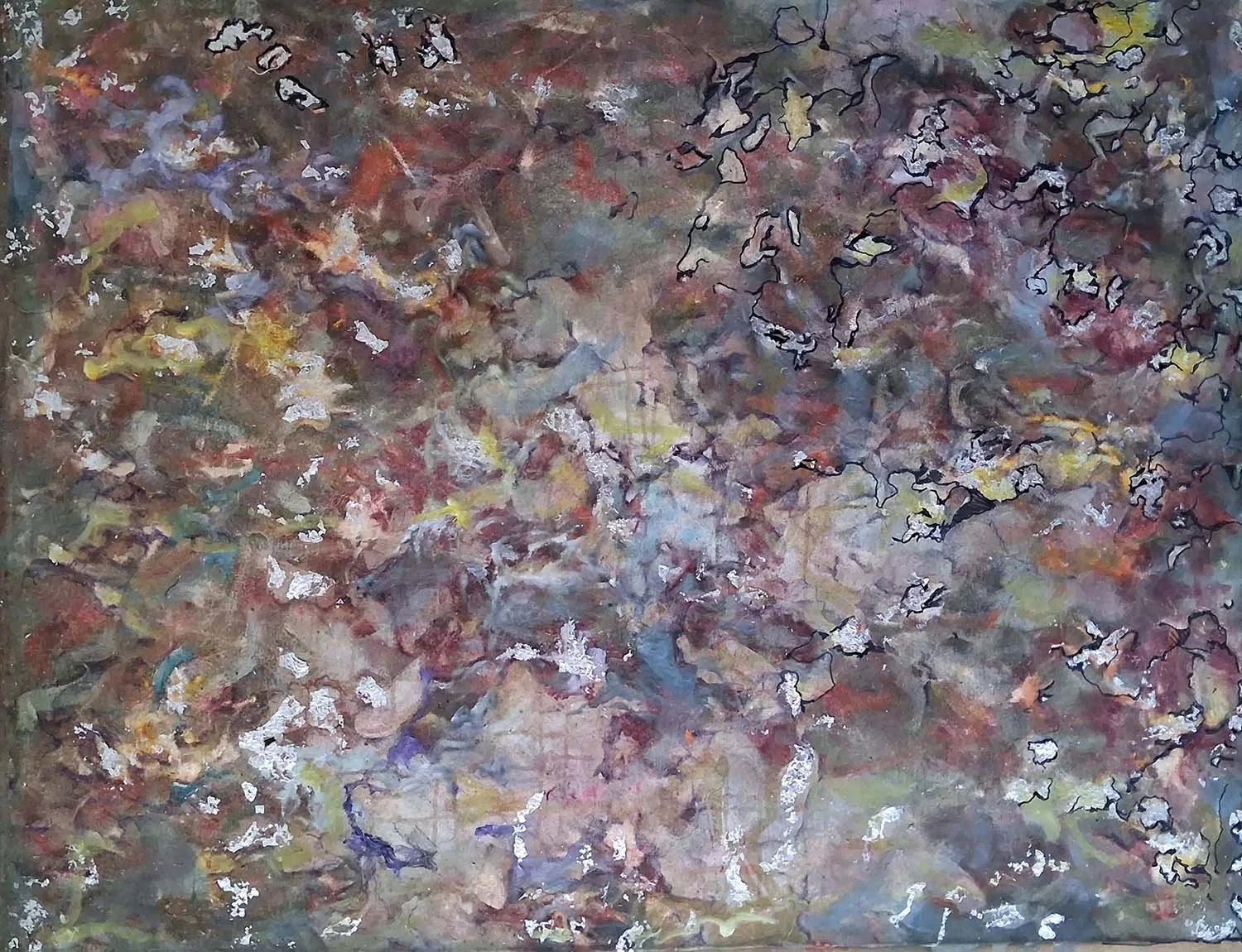
needs name
Click to view painting details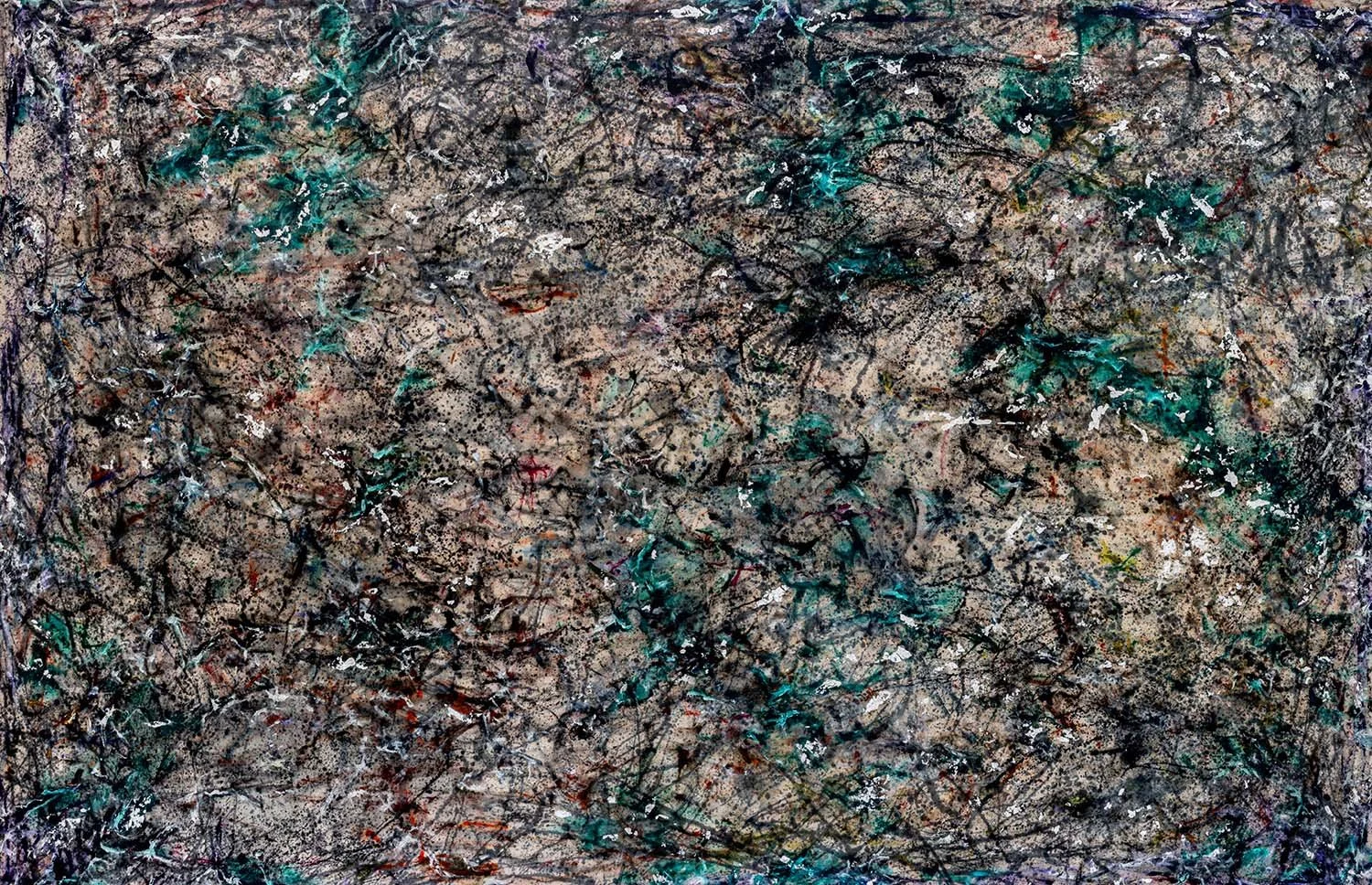
needs name
Click to view painting details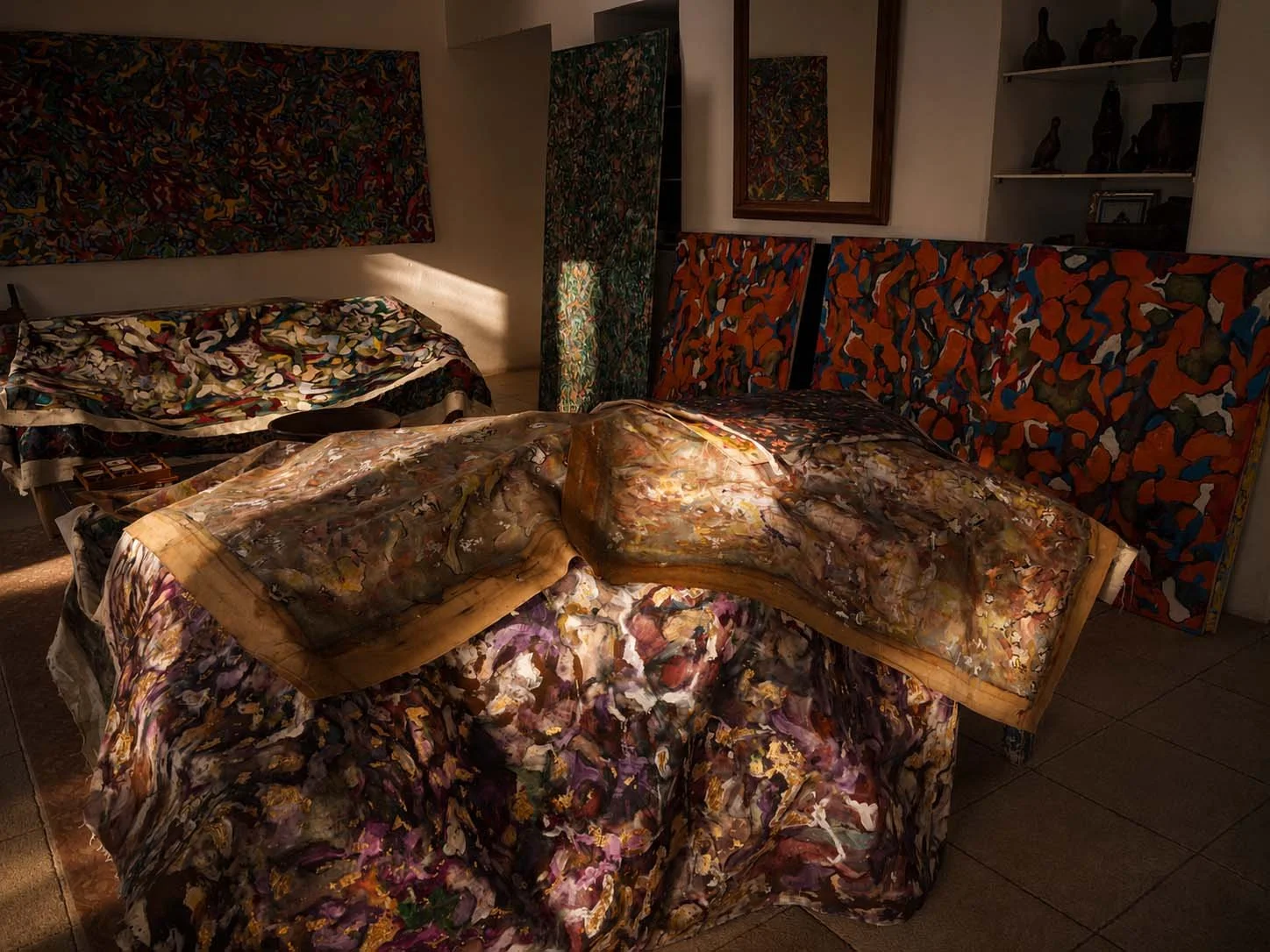
A Collection That Keeps Changing
Spend any time with Elliot Denburg’s work and you notice he never settles on one size or one way of working. He’s created monumental paintings that transform a room and intimate works that invite you to step closer.
Some paintings belong to larger series. Together they explore a shared idea, yet each piece is complete on its own. They can be displayed as a collection or enjoyed individually. It depends on the space and the people who live with them.
Nothing Gets Erased
People often ask Elliot if he worries about introducing a new material to a painting he’s already spent months creating. His answer is simple. Once a painting has accumulated that many layers, it’s remarkably difficult to ruin.
A change in direction doesn’t erase what came before. Instead, it becomes part of the painting’s history. He may add something unexpected, cover an area he once emphasized, or completely shift its direction. Whatever lies beneath remains there, quietly influencing everything that follows.
Paintings That Wait
That same openness is why Elliot often returns to canvases he set aside years earlier. A painting that once seemed finished can suddenly reveal another possibility. Sometimes it simply needs time.
He usually works on several paintings at once, allowing ideas to move naturally from one canvas to another. Some are completed quickly. Others rest for years before they finally feel resolved.
Over time, he has learned that every painting has its own rhythm. His role isn’t to force the process. It’s to recognize the moment when the work has finally said everything it needs to say.